
Meditation Side Effects
Meditation is praised as a universal remedy. Stress reduction. Emotional balance. Mental clarity. However, dosage matters.
Although meditation offers real benefits, meditation side effects are increasingly documented in both clinical and contemplative settings. For some people, intensity outweighs integration. Practice becomes pressure.
Many assume that if something feels difficult, they simply need more discipline. Yet sometimes the opposite is true. Sometimes the system is overloaded.
This article explores seven meditation side effects that signal you may be pushing too hard. The goal is not to discourage practice. Instead, it is to restore proportion.
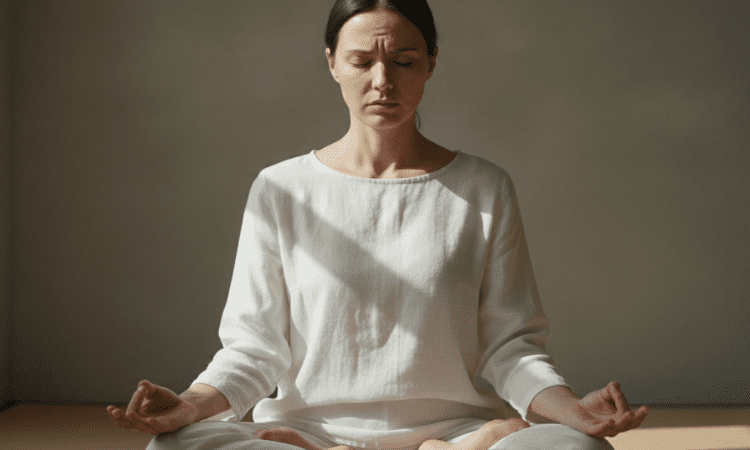
Are Meditation Side Effects Real?
Yes. Meditation side effects are real, though they are not universal.
Research linked to mindfulness-based interventions acknowledges adverse responses in certain individuals. Increased anxiety. Dissociation. Emotional flooding. Sleep disruption. These reactions often arise when practices are prolonged, intense, or unsupervised.
Importantly, meditation itself is not the problem. Context is. Trauma history, nervous system sensitivity, and personal pacing all matter.
When meditation side effects appear, they do not mean you are failing. They signal that intensity exceeds capacity.

Sign #1 — Increased Anxiety
One of the most common meditation side effects is heightened anxiety.
Meditation increases internal awareness. For some, that awareness reveals unprocessed fear or tension. Instead of calming the mind, practice amplifies hypervigilance.
Breath-focused techniques can also intensify bodily sensations. Rapid heartbeat. Chest tightness. Subtle panic. Without grounding support, these sensations escalate.
If anxiety consistently rises during or after sessions, intensity may be too high. Shorter practices often reduce meditation side effects related to anxiety.

Sign #2 — Emotional Flooding
Emotional flooding is another documented meditation side effect.
Stillness removes distraction. Suppressed material surfaces. Grief, anger, or unresolved memories can rise quickly.
While emotional release can be healthy, overwhelm is different. Flooding feels destabilizing rather than integrative. Concentration breaks down. Functioning feels impaired.
Trauma-sensitive pacing dramatically reduces meditation side effects linked to flooding. Gentle exposure works better than immersion.

Sign #3 — Dissociation or Numbness
Some meditation side effects appear paradoxical. Instead of feeling more alive, practitioners report detachment.
Dissociation may feel like spaciousness at first. However, over time it becomes emotional flatness. Engagement drops. Relationships feel distant.
In certain cases, excessive inward focus encourages withdrawal rather than embodiment. Therefore, grounding practices such as walking or mindful movement help counter meditation side effects of numbness.
Presence should increase connection, not reduce it.

Sign #4 — Sleep Disturbance
Sleep disruption is a less discussed meditation side effect.
Long evening sessions can stimulate the nervous system. Insight-oriented techniques sometimes activate cognitive processing late into the night.
Although meditation often improves sleep when balanced, excessive intensity may delay rest. Racing thoughts or vivid dreams sometimes follow deep sessions.
If sleep worsens consistently, adjust timing. Earlier practice and shorter duration usually reduce meditation side effects affecting rest.
Sign #5 — Irritability and Social Withdrawal
Another subtle meditation side effect involves mood changes.
Extended silence can heighten sensitivity. Noise feels intrusive. Conversations feel exhausting. Irritability increases.
While temporary withdrawal can be restorative, chronic withdrawal signals imbalance. Healthy meditation supports engagement with life. It does not replace it.
Balance between solitude and interaction prevents meditation side effects from turning into isolation.

Sign #6 — Obsessive Self-Monitoring
Heightened awareness is central to meditation. However, overmonitoring becomes counterproductive.
Some practitioners begin analyzing every thought, emotion, and bodily shift. Life turns into constant observation.
This hyper-awareness creates fatigue. Instead of freedom, there is scrutiny. Instead of ease, there is tension.
When self-monitoring becomes relentless, meditation side effects shift from clarity to mental strain. Reducing formal sessions and increasing informal presence often restores equilibrium.
Sign #7 — Spiritual Identity Inflation
Not all meditation side effects are uncomfortable. Some are subtly ego-reinforcing.
Frequent practice may create a new identity: the disciplined meditator. Comparison creeps in. Superiority forms quietly.
Although this feels empowering, attachment to identity increases pressure. The practice becomes performance.
Healthy meditation dissolves identity fixation. When pride replaces humility, recalibration is needed.

Why Overdoing Meditation Happens
Intensity often increases because benefits appear quickly. Early calm motivates longer sessions. Progress feels measurable.
Additionally, modern culture rewards optimization. More practice seems equal to more growth.
However, nervous systems adapt at individual rates. Capacity expands gradually. Exceeding that capacity triggers meditation side effects.
Sustainable development favors consistency over intensity.
How to Reduce Meditation Side Effects
First, shorten duration. Ten minutes daily is often more effective than sporadic hour-long sessions.
Second, incorporate movement. Walking meditation, stretching, or gentle yoga regulate arousal levels.
Third, practice grounding. Open-eye awareness and sensory anchoring stabilize attention.
Fourth, seek guidance if trauma history exists. Structured programs and qualified teachers reduce meditation side effects significantly.
Finally, prioritize integration. Insight without embodiment creates imbalance. Reflection, journaling, and relational dialogue anchor experiences.

Sustainable Practice Over Performance
Meditation side effects remind us that more is not always better.
Balanced practice respects nervous system limits. It honors individual pacing. It integrates rest with awareness.
Rather than pushing harder, refine sensitivity. Rather than intensifying, simplify.
Meditation works best when it supports life. It should not replace it.
Conclusion
Meditation offers profound benefits. Yet like any powerful tool, dosage determines outcome.
Meditation side effects do not mean you should quit. They indicate that intensity exceeds capacity.
When practice becomes strain, adjust. When awareness becomes overload, soften.
Sustainable meditation nurtures presence without pressure. It strengthens connection rather than reducing it.
Listen carefully. The body often signals balance long before the mind does.
FAQ
Can meditation have side effects?
Yes. Meditation side effects can include anxiety, emotional flooding, dissociation, sleep disturbance, and irritability, especially when practice intensity exceeds personal capacity.
Why does meditation sometimes increase anxiety?
Heightened awareness can amplify internal sensations. If underlying stress or trauma is present, anxiety may temporarily intensify.
How much meditation is too much?
The threshold varies by individual. Signs such as sleep disruption, irritability, or emotional overwhelm suggest overmeditation.
Should I stop meditating if I experience side effects?
Not necessarily. Reducing duration, adjusting technique, or adding grounding practices often resolves meditation side effects.
Is meditation unsafe for trauma survivors?
It can be destabilizing if not trauma-sensitive. Guided, gradual approaches are recommended for those with trauma history.