
Why Meditation Makes You Feel Worse
Meditation is often portrayed as a cure-all — a path to calm, clarity, and enlightenment. Yet for many sincere practitioners, it can sometimes bring the opposite: discomfort, confusion, or even distress. Instead of peace, old fears rise. Instead of stillness, agitation intensifies.
This paradox is more common than people admit. When you quiet the surface, what has long been hidden begins to speak. Far from being failure, this is part of the deeper healing process. Why meditation makes you feel worse is not because it harms you, but because it reveals you.
This article explains why this happens, how to navigate the difficult stages of awareness, and how to move from inner turmoil to genuine peace without abandoning your practice.
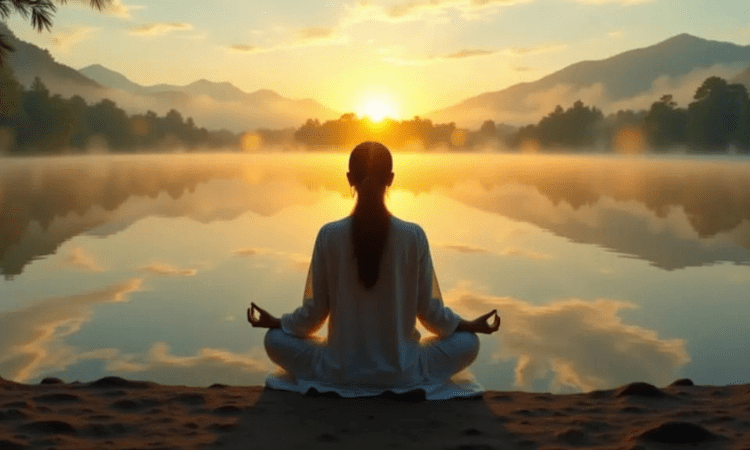
When Silence Uncovers What Noise Hid
Daily life is filled with distraction. Constant activity protects us from feeling what lies beneath. Meditation removes that shield. When the mind finally becomes quiet, the emotions we’ve ignored — fear, sadness, anger — surface to be seen.
This is Why Meditation Makes You Feel Worse at first. The stillness acts like clear water revealing the debris at the bottom. It isn’t creating pain; it’s uncovering it. Many people mistake this exposure for failure and quit just when transformation is beginning.
These moments test your understanding of healing. Meditation is not an escape from yourself. It is an invitation to meet yourself honestly. The unease signals that something real is finally being touched.
Why Meditation Makes You Feel Worse
The Physiology of Discomfort During Meditation
Why meditation makes you feel worse can also be explained physiologically. The nervous system, long accustomed to stimulation, resists stillness at first. When you sit quietly, the body may release stored stress. You might feel restlessness, tension, or sudden fatigue.
The mind’s habitual activity also fights for survival. When you observe it instead of feeding it, it reacts with resistance — racing thoughts, boredom, or anxiety. This phase is called purification in many traditions. The body and mind are cleansing themselves of accumulated noise.
With patience, the nervous system learns to trust the stillness. Heart rate lowers, breath deepens, and what once felt uncomfortable begins to soothe. Awareness becomes a friend, not a threat.
The discomfort isn’t proof that meditation is wrong; it’s evidence that it’s working.
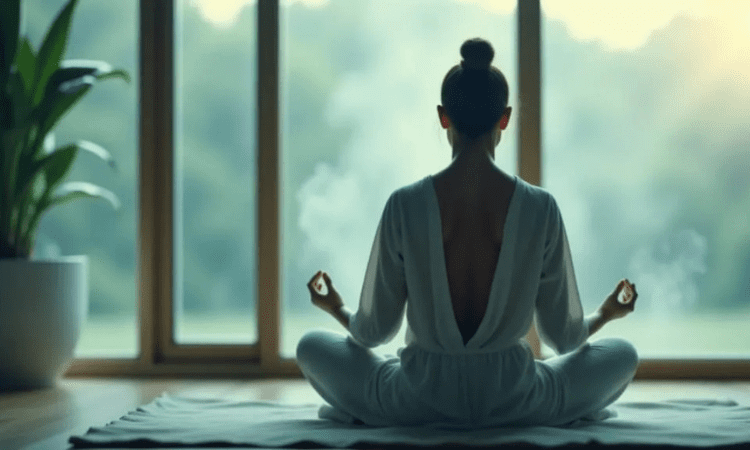
Why Meditation Makes You Feel Worse
Emotional Detox: When Old Pain Resurfaces
In deep meditation, emotions long buried in the subconscious often emerge. Grief, fear, guilt, or memories you thought forgotten can arise vividly. This is the emotional detox of the soul.
When people ask why meditation makes them feel worse, they’re often describing this release. Awareness is like sunlight entering a dark room — it exposes what’s been hiding. Emotional pain was always there; meditation just gives it space to be felt and released.
Allowing the emotion without judgment is key. Suppression keeps suffering alive. Observation dissolves it. If tears come, let them. If anger surfaces, watch it without feeding it. Emotions are not obstacles; they are energy passing through awareness.
This process can feel raw, but it leads to lightness. The only way out is through.

When Spiritual Expectations Create Pressure
Modern seekers often approach meditation with high expectations: instant peace, constant bliss, endless clarity. When reality feels different, disappointment follows. The practice becomes a performance — an attempt to achieve tranquility rather than to experience presence.
This mindset turns meditation into effort instead of release. You begin to resist discomfort rather than witness it. The question changes from “What am I feeling?” to “Why am I not better yet?”
When you treat meditation as perfection training, it will make you feel worse because you are measuring every moment against an ideal. True meditation is not about control. It’s about allowing.
Letting go of results turns struggle into peace. You discover that the value of meditation lies not in what you feel, but in your willingness to stay.
Facing the Shadow Self–Why Meditation Makes You Feel Worse
Every person carries a shadow — the part of us that holds rejected traits, unexpressed desires, and buried pain. Meditation brings the shadow to light.
When people report that meditation makes them feel worse, they are often encountering this hidden self. Images, sensations, or memories may arise that seem foreign or uncomfortable. Yet what surfaces is not new; it is simply what has waited for acknowledgment.
Meeting the shadow is an act of courage. It teaches humility, compassion, and wholeness. You cannot awaken only the light within you; you must integrate what the light reveals.
Sitting through these moments without fleeing or judging allows transformation to begin. The darkness, once seen, loses its threat.
When Meditation Triggers Trauma or Anxiety
For those with unprocessed trauma, silence can sometimes feel unsafe. The body associates stillness with threat, especially if calm once preceded harm. In these cases, meditation may initially worsen anxiety rather than reduce it.
This is another scenario where why meditation makes you feel worse.
If this happens, modify your practice. Keep eyes open, meditate in daylight, or use grounding techniques such as focusing on breath rhythm or physical sensations like feet on the floor. You are retraining your nervous system to feel safe in stillness.
You may also consider shorter sessions. Five minutes of gentle awareness can be more healing than thirty minutes of forced focus. Remember, the goal is regulation, not endurance.
If intense memories or panic arise, work with a trauma-informed therapist. Healing and meditation can support each other, but safety comes first.

Why Persistence Through Discomfort Leads to Peace
If you stay with your practice, discomfort eventually transforms. The waves that once felt overwhelming settle into calm water. You begin to notice gaps between thoughts — moments of pure awareness.
What once felt like chaos becomes clarity. The emotions that frightened you turn into wisdom. You see that why meditation made you feel worse was simply because you were shedding layers of resistance.
Peace does not come by avoiding difficulty but by relaxing into it. Every session becomes a mirror — not of who you wish to be, but of who you truly are beneath effort.
Over time, stillness becomes home. The same silence that once exposed pain now holds peace.
Balancing Meditation with Movement and Expression
Sometimes the mind needs stillness, but the body needs motion. When meditation feels heavy, balance it with movement — walking, stretching, dancing, or deep breathing. These active practices help integrate emotional energy released during stillness.
Expression also heals. Journaling after meditation allows insights and emotions to complete their cycle. What begins as tension in the body often becomes clarity on paper.
If your practice feels stagnant, alternate sitting meditation with mindful action. The combination keeps awareness fluid. Healing flows more easily when you move between stillness and motion.
This balance prevents meditation fatigue, keeping renewal alive. And then suddenly why meditation makes you feel worse start desappearing.

The True Purpose of Meditation
Meditation is not about feeling good all the time; it is about becoming free. Freedom means you can experience sadness without fear, anger without guilt, joy without attachment.
When you ask why meditation makes you feel worse, the deeper truth is that it is undoing illusion. It shows you what peace is not so that you can recognize what peace truly is.
True meditation dismantles false control. It trains you to witness rather than react, to love rather than fix. The measure of progress is not endless bliss but increased honesty.
Through each wave of discomfort, awareness expands. You begin to see life as it is — not as the mind wishes it to be. That vision is liberation.
FAQ Section of Why Meditation Makes You Feel Worse
Why does meditation sometimes feel painful?
Because it uncovers emotions and thoughts you’ve suppressed. The pain was already there — meditation simply makes it visible.
Should I stop meditating if I feel worse?
Not necessarily. Shorten sessions, use grounding tools, or seek guidance, but avoid quitting out of fear.
How long does this difficult phase last?
It varies. With consistent, gentle practice, the discomfort softens as your nervous system adapts.
Can meditation trigger trauma?
Yes, especially if silence feels unsafe. In such cases, practice shorter sessions with open eyes or seek trauma-informed guidance.
When will meditation feel peaceful again?
When resistance lessens and emotions have been processed. Peace is the natural state beneath reactivity.

Conclusion Why Meditation Makes You Feel Worse
Meditation may make you feel worse at first because it reveals the parts of you that were never truly at rest. It does not create pain; it uncovers it so healing can occur.
Every tear, every restless session, every moment of resistance is a doorway to peace. When you stop fighting the process, the struggle dissolves into stillness.
Let meditation do what it was always meant to do — not perfect you, but free you. The peace you seek isn’t the absence of emotion; it’s the presence of awareness.
Sit, breathe, and trust the process. You are not falling apart. You are coming together.