Practices to Remember Your True Nature
In the quiet before dawn, a deeper memory stirs—one that whispers you were whole before effort began. Modern life trains you to forget this truth, but the soul never stops remembering. Every longing, every pause, every tear is the echo of that remembrance.
Practices to remember your true nature are not techniques for self-improvement; they are doorways back to what you already are. These rituals uncover rather than add, reminding body and mind to rest again in being.
Transformation begins not through struggle but through steady return.
The Forgotten Self
Most people live as fragments—chasing identity, approval, purpose. Yet beneath personality lies a quiet witness untouched by success or failure. That presence is your true self.
When disconnection deepens, the search for meaning becomes frantic. You seek spiritual highs, new systems, endless self-analysis. All of this exhausts the heart because you try to find outside what waits within.
The first step in practices to remember your true nature is recognition: nothing real can be added to you. Only illusions can fall away.
The Power of Presence
Presence is remembrance in action. It dissolves the distance between seeker and truth. When attention anchors fully in now, identity softens and awareness expands.
The mind resists simplicity, calling it boring or unproductive. Yet presence reveals the sacred hiding in ordinary life—the warmth of sunlight on skin, rhythm of breath, sound of birds returning at dusk.
Every time you remember presence, you remember yourself. The more you abide there, the less effort you need.
Breath as a Bridge
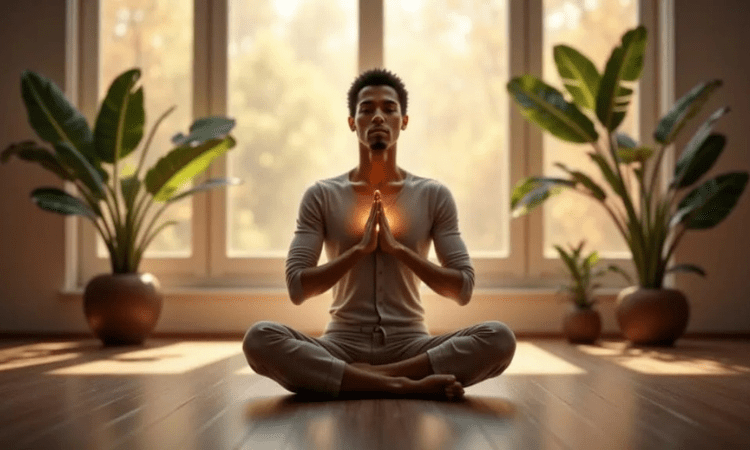
Breath connects invisible spirit to physical form. Conscious breathing resets both nervous system and awareness.
Begin by observing breath without control. Feel it enter, leave, pause. Each natural cycle mirrors the rhythm of life—taking in, letting go.
Within the practices to remember your true nature, breath becomes prayer without words. It reminds you that life breathes itself through you.
When breath slows, mind follows. When mind quiets, being remembers itself.

Stillness as a Teacher
Stillness terrifies the restless because it exposes everything running from silence. Yet in stillness the forgotten self reappears.
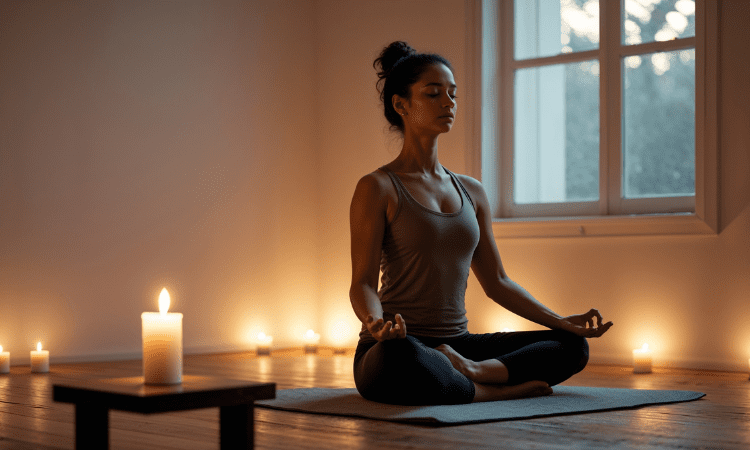
Set moments daily—morning, noon, evening—where you stop completely. Do nothing, want nothing. Feel the pulse of existence beneath thought.
Over time, this stillness becomes familiar terrain. You begin to sense that the one watching thoughts was never tired, never broken.
In the practices to remember your true nature, stillness is not absence but fullness—the quiet hum of eternity within you.

Awakening Through Movement
Remembering self doesn’t require static meditation. Movement can awaken equally when awareness leads.
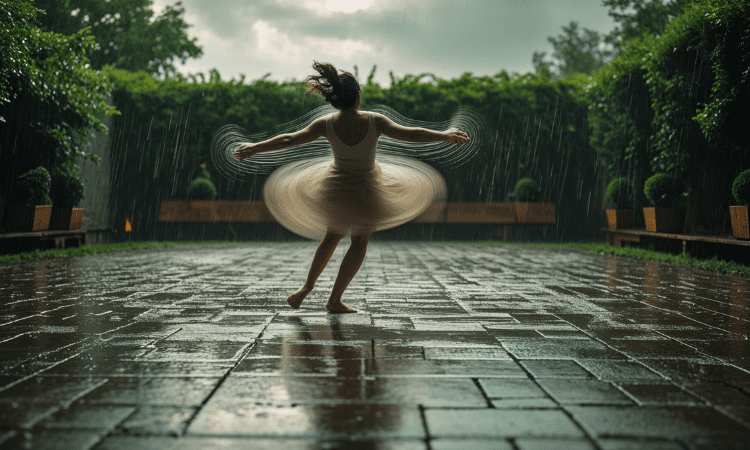
Walk slowly, feel gravity, sense breath aligning with steps. Stretch gently, dance freely, move without audience. When body and awareness merge, boundaries dissolve.
Movement transforms from activity into presence in motion. Each gesture becomes a wave of consciousness exploring form.
Practices to remember your true nature live as much in motion as in stillness; both reveal the same ground of being.
The Ritual of Daily Simplicity
Modern life worships complexity. True remembrance thrives on simplicity.
Simplify surroundings: fewer objects, slower rhythm, intentional pauses. Drink tea without scrolling, eat without multitasking. The ordinary becomes sacred when attention is whole.
Through this simplicity, you rediscover peace as your baseline state. The practices to remember your true nature work best when woven quietly into daily life, not performed on special days.
Simplicity is devotion disguised as ordinary routine.

The Mirror of Relationship
People mirror the parts of ourselves we ignore. Every irritation or admiration reflects the hidden self.
Instead of blaming, observe. Each encounter becomes instruction in remembrance. When love or conflict arises, ask, “What truth about myself is this showing me?”
The practices to remember your true nature expand through human connection. Others help awaken you from isolation back into unity.
Relationships become spiritual classrooms when viewed through awareness, not defense.

Reclaiming Joy
Joy is the most accurate memory of your essence. Unlike pleasure, it requires no reason. It wells up naturally when resistance ends.
Invite joy through small moments—singing softly, feeling rain, breathing gratitude. The nervous system learns safety through joy faster than through logic.
In the practices to remember your true nature, joy is proof that you’ve stopped performing and started being.
Joy heals without intention. It simply reminds you that you exist.

Silencing the Inner Critic
The inner critic thrives on forgetting. It survives by convincing you that perfection equals worth. But your worth predates effort.
Observe the critic instead of arguing. Awareness exposes its emptiness. Each time you witness its voice without belief, identification weakens.
This is among the most powerful practices to remember your true nature—recognizing you are not the one judging but the one noticing.
Silence follows recognition; peace follows silence.

Rest as Sacred Ground
Deep rest restores original rhythm. Sleep without guilt, pause without apology. Fatigue signals misalignment, not laziness.
True rest allows consciousness to settle back into wholeness. During rest, the false dissolves, and clarity re-emerges naturally.
Every moment of rest within the practices to remember your true nature is reunion disguised as sleep.
You awaken lighter not because problems vanished but because identity loosened.

Living as Remembrance
Eventually remembrance stops being practice—it becomes lifestyle. You move slower, speak gentler, listen deeper. Choices arise from alignment instead of anxiety.
When remembering becomes habitual, life itself meditates through you. Tasks remain, but tension leaves.
This maturity of practices to remember your true nature marks the shift from seeking to being. The world hasn’t changed; your seeing has.
You live as presence among people still searching for it, silently reminding through example.
FAQ Practices to Remember Your True Nature
What does it mean to remember your true nature?
It means realizing your unchanging awareness beneath shifting thoughts and roles.
Do these practices require belief?
No. They rely on direct experience through breath, stillness, and observation.
How long before results appear?
Peace emerges immediately in glimpses and stabilizes through daily repetition.
Can these practices replace formal meditation?
They complement it by extending awareness into all activities.
What’s the goal of remembrance?
Not improvement—return to natural ease and authenticity.

Practices to Remember Your True Nature Conclusion
Forgetting true self is part of the human play. Remembering is inevitable once you pause.
Through these transformative daily rituals, remembrance ceases to be distant ideal and becomes embodied truth. Breath, stillness, movement, and rest weave together until life itself becomes meditation.
You were never lost—only distracted. Now you remember.
Awaken to Real Living and Freedom