
Personal Transformation — When Change Arrives Quietly
Most stories of personal transformation do not begin with clarity or intention. They begin with discomfort that cannot be ignored anymore. Something feels misaligned, unsustainable, or quietly broken, even if life looks functional from the outside. The shift does not announce itself as growth. It arrives as friction, fatigue, or a sense that continuing as before is no longer possible.
For many, personal transformation starts long before language is found for it. There may be a moment of collapse, or a gradual erosion of certainty. Roles that once fit begin to feel heavy. Beliefs that once guided decisions stop offering direction. What emerges first is not a vision of what comes next, but an awareness that something must change, even if the shape of that change remains unclear.
This article traces seven moments that often appear along the path of deep change. They are not steps to follow or milestones to achieve. They are lived experiences that tend to surface when an inner shift is already underway. Each moment reflects a turning point where old ways of being loosen their grip and something more honest begins to take form.
The journey described here is not about reinvention or improvement. It is about recognition. About noticing when life itself begins asking different questions, and learning how to listen when familiar answers no longer suffice.

Moment 1 — The Breakdown That Couldn’t Be Avoided
There is often a point where effort stops working. Pushing forward no longer produces results, and endurance turns into exhaustion. This moment rarely looks dramatic from the outside. It may appear as missed motivation, emotional numbness, or a quiet withdrawal from things that once mattered. Internally, however, something fundamental has shifted.
This is often the first unmistakable sign of personal transformation. Not because change is chosen, but because the old way of functioning can no longer be sustained. The breakdown is not a failure of character or discipline. It is a signal that the system has reached its limit. What once held everything together has worn thin.
In this moment, resistance is common. Many try to reinterpret the experience as a temporary setback or a phase that will pass. Yet the body continues to insist. Fatigue deepens. Emotional responses become unpredictable. The familiar strategies stop restoring balance. What is breaking down is not the person, but the structure they have been living within.
Although painful, this rupture creates an opening. It interrupts autopilot and forces attention inward. Without this interruption, deeper change would remain inaccessible. The breakdown marks the end of unconscious continuation and the beginning of an unavoidable reckoning with what no longer fits.

Moment 2 — Realizing the Old Life No Longer Fit
After the initial rupture, a quieter realization follows. It becomes clear that returning to how things were is not possible, even if it is tempting. The routines, expectations, and identities that once provided stability now feel restrictive. What once felt normal begins to feel misaligned, as though life is being lived in clothes that no longer fit.
This recognition is rarely sudden. It unfolds through small moments of friction. Tasks that once felt manageable become draining. Conversations feel repetitive or hollow. Achievements lose their meaning. There is no single cause, only a growing sense that something essential has shifted internally.
Some experience this as grief. Letting go of an old life, even one that was painful, carries loss. Familiar roles offered certainty and structure. Releasing them can feel like stepping into uncertainty without a map. Yet clinging to what no longer fits often intensifies discomfort rather than relieving it.
Within this tension, personal transformation continues quietly. The awareness that an old way of living has reached its end does not immediately reveal what comes next. It simply creates space. Space where curiosity begins to replace obligation, and where listening becomes more important than planning. This moment asks for patience, allowing the next phase to emerge without being forced.

Moment 3 — The Unexpected Pause
Change often deepens when movement slows. After realizing that the old life no longer fits, there is frequently a period of pause that feels unplanned or even unwelcome. Momentum drops. Direction becomes unclear. What once filled time and attention fades, leaving a quiet space that can feel unsettling at first.
This pause is not inactivity. It is a recalibration. Without the usual distractions, internal signals become more noticeable. Thoughts surface that were previously drowned out by busyness. Emotions that had been deferred begin to ask for recognition. The absence of forward motion reveals what has been waiting underneath.
For many, this stage tests patience. There is a strong impulse to replace the old structure with a new one quickly, to regain a sense of control. Yet rushing through this phase often recreates the same patterns that led to the breakdown. The pause exists to interrupt that cycle.
Personal transformation continues here in subtle ways. The nervous system learns a different rhythm. Silence becomes informative rather than empty. Instead of asking what should happen next, attention turns to what is being felt now. This shift lays the groundwork for change that is responsive rather than reactive.
The pause does not provide answers. It offers something more foundational: the capacity to listen. And in that listening, the next movement begins to form on its own, guided by what is actually needed rather than what is expected.
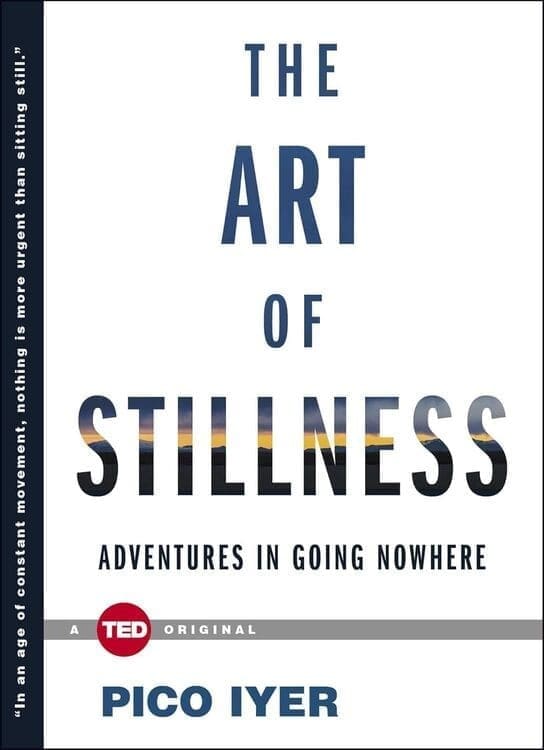
Moment 4 — Learning to Listen Differently
As the pause settles, attention begins to shift inward in a new way. What once felt like noise gradually reveals itself as information. Emotions are no longer dismissed as interruptions. Physical sensations are no longer ignored. Listening changes from a search for answers to an openness toward experience.
This stage often brings confusion at first. Without familiar frameworks, there is uncertainty about what signals to trust. Intuition feels faint. The mind tries to regain authority by analyzing every sensation. Yet over time, a different form of listening emerges. One that is slower, less verbal, and more attuned to subtle cues.
In the context of personal transformation, this moment marks a departure from external validation. Guidance is no longer sought primarily from expectations, advice, or comparison. Instead, value is placed on internal feedback. Fatigue becomes meaningful. Ease becomes informative. Discomfort becomes a signal rather than a flaw.
Listening differently does not mean withdrawing from the world. It means engaging with it from a place of responsiveness rather than reflex. Choices are made with greater sensitivity to internal limits. Decisions take into account not just outcomes, but impact. This recalibration allows life to be navigated with more integrity.
What develops here is trust. Not in certainty, but in awareness. Trust that the body and emotions carry intelligence, even when their messages are inconvenient or unclear. This trust becomes a quiet guide, shaping the direction of what comes next without demanding immediate clarity.

Moment 5 — Choosing Boundaries Without Anger
As awareness deepens, limits begin to reveal themselves naturally. Not as rules imposed from fear, but as signals of what supports balance and what disrupts it. Boundaries emerge quietly, often before they are articulated. A sense of “enough” becomes clearer, even when honoring it feels uncomfortable.
This stage is frequently misunderstood. Boundaries are often associated with conflict or withdrawal, yet here they arise from clarity rather than defense. Saying no does not come from resentment. Stepping back does not require justification. The body simply communicates when something exceeds its capacity.
Within personal transformation, this moment represents a shift from endurance to discernment. The need to accommodate every demand fades as self-respect grows. Relationships may change in response. Some deepen through honesty. Others loosen as shared expectations fall away. Both outcomes are part of realignment.
Establishing boundaries without anger requires patience. Old habits of people-pleasing or self-silencing may resurface. Guilt may appear, questioning whether care for oneself is selfish. Yet over time, honoring limits proves stabilizing rather than isolating. Energy becomes more available. Presence feels less strained.
This moment does not seek separation. It seeks sustainability. Boundaries allow engagement with life to continue without depletion, ensuring that connection remains possible without self-erasure. When chosen from awareness, they become acts of preservation rather than protection.

Moment 6 — Integrating Change Into Ordinary Life
After boundaries are established, a quieter challenge appears. Change must now live within the ordinary. Insight alone is no longer enough. Awareness has to translate into how days are structured, how energy is spent, and how attention moves through familiar routines. This is often where transformation is tested most deeply.
Integration does not look impressive. It shows up in small decisions that are easy to overlook. Choosing rest over obligation. Allowing conversations to remain unfinished. Letting productivity slow without self-judgment. These choices may seem minor, yet they steadily reshape daily life. What once felt radical begins to feel natural.
During personal transformation, this stage can feel anticlimactic. There are no breakthroughs to announce. Progress is measured by subtle shifts in response rather than dramatic change. Old patterns still appear, but they are recognized sooner. Recovery becomes quicker. Awareness returns with less effort.
Integration requires repetition, not intensity. The body learns through consistency. Emotional responses recalibrate gradually. Over time, the gap between awareness and action narrows. What was once intentional becomes habitual.
This moment affirms that transformation is not separate from life. It does not exist only in reflection or insight. It lives in how mornings begin, how tension is addressed, and how limits are respected when no one is watching. Here, change becomes embodied, woven quietly into the fabric of everyday experience.
Moment 7 — Living Forward Without Certainty
The final shift is not about resolution, but orientation. Life no longer needs to be understood in order to be lived. Certainty loses its authority, replaced by a willingness to move forward without guarantees. What once felt unsettling now feels honest. The need for clear outcomes softens, making room for presence.
At this stage, personal transformation reveals its quietest truth. Change does not conclude with a new identity or a perfected self. It continues as an ongoing responsiveness to life as it unfolds. Choices are guided less by expectation and more by alignment. What feels steady is trusted, even when it cannot be explained.
Living without certainty does not mean living without direction. It means allowing direction to emerge through engagement rather than control. Curiosity replaces urgency. Attention remains flexible. When challenges arise, they are met with awareness rather than resistance. This approach does not eliminate difficulty, but it changes the relationship to it.
What remains is a sense of continuity. The journey does not close; it opens. There is less emphasis on arrival and more appreciation for movement itself. In this way, transformation becomes sustainable, carried forward not by effort, but by an ongoing commitment to honesty, presence, and care.
If you’d like to proceed next with the post-writing extras for this article, just say the word.

FAQ Personal Transformation
What usually triggers deep inner change?
Inner change often begins when familiar ways of living no longer provide meaning or stability, prompting reflection rather than action.
Is transformation always the result of crisis?
Not always. Sometimes change emerges quietly through gradual dissatisfaction or a growing sense of misalignment.
Why does change feel disorienting at first?
Old structures fall away before new ones form, creating a temporary sense of uncertainty that is part of realignment.
Can transformation happen without clear direction?
Yes. Many meaningful shifts unfold without a defined endpoint, guided instead by awareness and responsiveness.
Does change ever feel complete?
Most change continues in cycles. Integration often matters more than final resolution.