
Can a Spiritual Awakening Cause Burnout
A spiritual awakening is often imagined as endless light—clarity, bliss, and peace. Yet many seekers discover something unexpected: exhaustion, confusion, and even despair following the initial expansion. The paradox shocks them. How could awakening, the very promise of liberation, lead to burnout?
The truth is simple but rarely spoken. Awakening reveals the full spectrum of consciousness, including pain long hidden beneath awareness. The nervous system, unprepared for such intensity, can crash. The result is spiritual awakening burnout—a temporary collapse after illumination.
Understanding can a spiritual awakening cause burnout helps seekers integrate the experience rather than fear it. What feels like regression is often the nervous system learning to live with more light.

The Shock of Awakening
When awakening arrives, life seems transformed overnight. Perception widens; emotions intensify. The veil of ordinary reality thins, revealing unity where separation once ruled. But illumination also exposes what was previously suppressed—unhealed grief, anger, fear.
This release can flood the psyche. The system designed for limited awareness suddenly processes infinity. Old patterns dissolve faster than new grounding can form. The person feels both expanded and unstable.
In early stages, sleep disturbances, emotional swings, or sensory overload are common. These are not signs of failure; they are evidence of spiritual metabolism in action. The soul is digesting its own vastness.
Can a spiritual awakening cause burnout? Yes—when the light arrives faster than the body can absorb.

When Light Becomes Overload
Illumination feels ecstatic until it exceeds capacity. The nervous system, flooded with energy, interprets expansion as danger. What began as bliss becomes agitation, headaches, anxiety, or numbness.
This is spiritual overstimulation. Without grounding, higher frequency awareness destabilizes physical and emotional systems. Sleep becomes restless, thoughts accelerate, appetite shifts. The seeker misreads this as punishment or loss of grace. In reality, it is energetic adaptation.
Burnout emerges when integration lags behind revelation. Too much meditation, fasting, or study without rest converts sacred energy into stress. The solution is not retreat from awakening but regulation—teaching the body to feel safe in vastness.

The Role of the Nervous System
Every awakening travels through flesh. The nervous system acts as bridge between spirit and matter. When its circuits strain, burnout follows.
Can a spiritual awakening cause burnout physiologically? Absolutely. The vagus nerve, heart rhythm, and adrenal system all respond to the intensity of inner change. Constant energy surges mimic chronic stress responses.
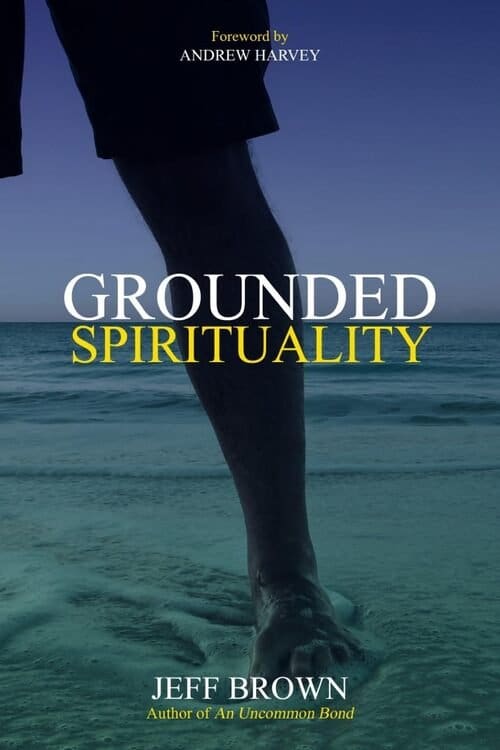
Grounding practices—slow breathing, walking barefoot, gentle movement—stabilize the body so light can integrate. Without them, enlightenment remains theory and exhaustion becomes reality.
True awakening is not escaping the body; it is embodying the infinite safely within it.

The Psychological Unraveling
Awakening dismantles identity. Beliefs collapse, roles lose meaning, goals dissolve. While liberating, this void can feel terrifying. The mind resists absence of structure and interprets it as breakdown.
During this stage, spiritual awakening burnout manifests as apathy or existential fatigue. You may feel detached from life, unable to engage with ordinary tasks. Relationships shift because your previous motivations vanish.
Psychologically, this mirrors grief—the death of the old self. Integration requires patience. You are not losing life; you are shedding illusion. The exhaustion signals transformation, not failure.
Over-Practice and Spiritual Pressure
Modern seekers often intensify practice after awakening, hoping to sustain bliss. They meditate longer, attend retreats, or chase higher states. Paradoxically, this over-effort accelerates burnout.
Can a spiritual awakening cause burnout through devotion? Yes—when devotion becomes compulsion. True spirituality includes rest, laughter, and imperfection. When every moment must be “high vibration,” the psyche tires.
Pressure to remain enlightened keeps ego alive under disguise. The cure is humility: allowing human rhythm within divine awareness.

The Role of Isolation
After awakening, solitude feels natural; silence becomes sanctuary. Yet prolonged withdrawal can morph into loneliness. Human nervous systems regulate through connection. When you isolate completely, energy stagnates.
Interaction—simple conversation, shared meals—grounds expansion into everyday life. Without it, burnout intensifies. The task is not to abandon solitude but to balance it with genuine presence among others.
Integration thrives in relationship. Enlightenment is not separation from humanity but deeper participation in it.
Energetic Sensitivity and Empathic Drain
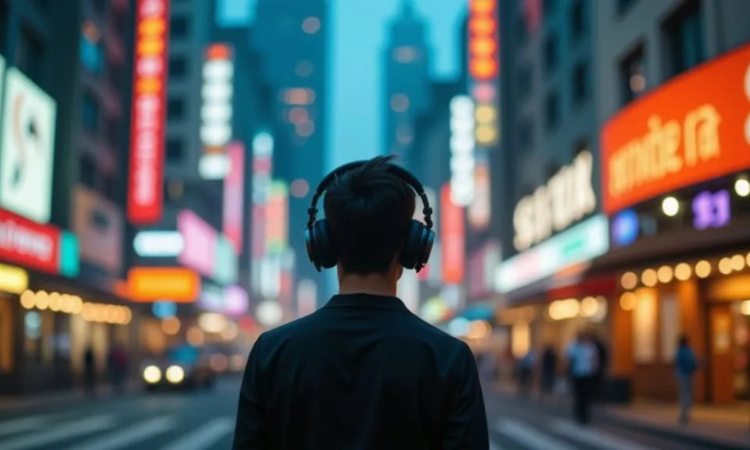
Awakening heightens sensitivity. Crowds, noises, or emotional environments once tolerable now feel overwhelming. The empathic field widens faster than boundaries adapt.
When this occurs, energy drains quickly, leading to spiritual awakening fatigue—a cousin of burnout. The body absorbs emotions that aren’t its own. Fatigue deepens, and you mistake empathy for weakness.
Grounding, shielding visualizations, time in nature, and clear boundaries prevent depletion. Sensitivity is a gift only when balanced with containment.

The Ego’s Counterattack
Awakening doesn’t destroy ego instantly; it illuminates it. Ego reacts to exposure with subtle sabotage—doubt, self-criticism, or renewed ambition. It says, “You’ve lost your light,” pushing you back into striving.
This inner conflict drains energy faster than any external stress. Recognize the pattern: ego fears annihilation and fights through fatigue.
Meet it gently. Awareness disarms ego; resistance feeds it. Each time you witness its tactics without reaction, strength returns.

Integrating the Awakening
The only cure for spiritual awakening burnout is integration—learning to live as both infinite and finite.
Integration begins through rhythm: alternating stillness with movement, silence with conversation, solitude with community. Allow cycles of contraction after expansion. Rest is holy.
Practical integration also means returning to ordinary life—cooking, walking, creating, working. These anchor energy in form. When light flows through daily action, fatigue dissolves.
Awakening matures not in retreat but in presence within the ordinary world.

Finding Support During the Transition
Community and guidance ease the strain of awakening. A grounded teacher, therapist, or friend can remind you that chaos is part of transformation.
Sharing experiences normalizes them. Isolation breeds distortion; conversation brings perspective. Support also includes self-care—nutrition, hydration, physical activity, art.
When fatigue strikes, do not spiritualize it away. Listen. Sometimes the most enlightened act is sleeping, not meditating.
Support turns awakening from crisis into integration.

How Long Does Spiritual Awakening Burnout Last?
There is no fixed duration. It lasts only until resistance ends. When you stop judging the process, energy stabilizes. For some, weeks; for others, months.
Can a spiritual awakening cause burnout indefinitely? No. Fatigue fades as balance returns. The more gently you meet it, the sooner it resolves.
Think of awakening as birth. After intense labor, the body and soul must rest. Rest does not cancel birth; it completes it.
Signs of Integration
You know burnout is ending when peace no longer depends on experience. Emotions still arise, but they pass cleanly. Silence feels nourishing again.
You reconnect with simple pleasures—walking, eating, helping others—without agenda. The divine feels ordinary, the ordinary divine.
At that point, the question “Can a spiritual awakening cause burnout?” loses relevance. Awakening no longer burns because it finally includes the human fully.

FAQ Can a Spiritual Awakening Cause Burnout
Can a spiritual awakening really cause burnout?
Yes. When energy and insight rise faster than the body can adjust, temporary exhaustion occurs.
What are symptoms of spiritual awakening burnout?
Fatigue, anxiety, insomnia, detachment, and emotional swings are common transitional effects.
How can I recover from it?
Ground through breath, movement, social connection, and simplified practice.
Does burnout mean awakening failed?
No. It marks integration—the nervous system learning new equilibrium.
How long does recovery take?
Varies by person. With gentle rest and support, stability returns naturally.

Can a Spiritual Awakening Cause Burnout Conclusion
Spiritual awakening can cause burnout when revelation outpaces integration. The remedy is rhythm: rest within light, ground expansion into earth, allow humanity to coexist with divinity.
Every collapse is an adjustment, not an end. The light never left; only the system needed recalibration.
When you stop chasing bliss and begin embracing balance, awakening becomes sustainable. The fire that once burned now warms.