
Healing from Spiritual Exhaustion
Spiritual exhaustion goes beyond ordinary tiredness. It is the deep inner weariness that drains joy from prayer, meditation, or reflection.
Instead of peace, there is emptiness. Instead of energy, there is heaviness. Many seekers and leaders know this silence, but few speak openly about it.
The truth is that spiritual exhaustion is not a dead end. It is an invitation to pause, reset, and find a new way forward. Healing is not reserved for the few—it is possible for everyone.
This guide offers a clear path of renewal, step by step, showing that even the deepest fatigue can become a doorway to strength and authenticity.

What Is Spiritual Exhaustion?
Spiritual exhaustion is the collapse of inner energy. It is not the same as feeling tired after a long day. It touches the deeper layers of the soul.
A person may still function outwardly while inwardly they feel disconnected from life, from meaning, and even from themselves.
Unlike physical exhaustion, this form of weariness makes practices that once brought joy feel empty. Silence feels heavy instead of peaceful. Rituals lose their spark.
Inspiration dries up, and even the most devoted heart struggles to find a reason to continue.

Common Causes of Spiritual Exhaustion
The roots of exhaustion are varied, yet the pattern is clear. Some people exhaust themselves by giving too much to others while never receiving rest in return.
Others live under the pressure of maintaining a constant spiritual high, believing they must always appear aligned and glowing.
Another cause is overconsumption. In the modern world, endless teachings are available at every moment.
Without integration, this flood of information becomes overwhelming. Instead of nourishment, it creates confusion and fatigue.
Unresolved wounds also weigh heavily. Past experiences of religious control, trauma, or guilt can resurface during moments of vulnerability, deepening the sense of exhaustion.
Neglecting the body adds another layer. Spirituality that ignores rest, nourishment, and movement quickly loses balance.

Step 1 – Recognize and Name It
The first step to healing is honesty. Many resist admitting they are spiritually exhausted, fearing it means weakness or failure. Yet naming the exhaustion is liberating.
It acknowledges the truth of the moment and opens the door to compassion.
When you recognize spiritual exhaustion, you stop fighting yourself. You stop pretending. You allow space for renewal to begin.
Step 2 – Rest Without Guilt
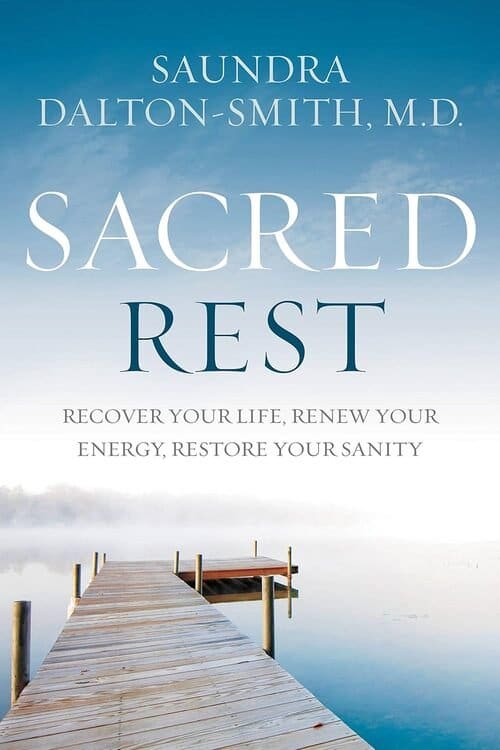
Rest is medicine, not indulgence. It is the soil where renewal grows. Spiritual exhaustion often lingers because people feel guilty for pausing.
They think stopping means backsliding. In truth, pausing is progress.
Practical rest looks simple. It may be a full night of sleep, an afternoon nap, or even an hour spent without screens or noise.
Some find renewal in silence, others in nature. Rest allows the nervous system to reset and the heart to remember its natural rhythm.
Step 3 – Reconnect with Your Body
Exhaustion often comes from living too much in the mind or spirit while ignoring the body. Healing requires return.
Gentle movement, mindful breathing, and simple walks remind you that your body is not separate from your spirit. It is the vessel through which life flows.
As you reconnect with the body, you notice tension, hunger, and rest needs more clearly. The body becomes a guide rather than a burden.
Renewal begins to take root when body and spirit move together again.

Step 4 – Simplify Your Practices
One of the hidden traps of spirituality is complexity. When practices multiply into endless checklists, they begin to suffocate instead of liberate. Renewal comes through simplicity.
Choose one or two practices that bring genuine peace. For some, it is journaling a single page. For others, it is taking three slow breaths before starting the day.
Evening gratitude can be as powerful as an elaborate ritual.
Simplicity creates space. It clears away performance and returns you to presence.
Renewal rarely comes from doing more—it comes from doing less with more sincerity.
Step 5 – Seek Honest Support
Isolation deepens exhaustion. Renewal grows stronger in community. Sharing your truth with trusted friends or mentors allows honesty to replace pretense.
A safe space to admit, “I am tired,” breaks the silence that often makes burnout heavier.
Support does not need to be large or public. Even one person who listens without judgment can create a turning point.
For some, professional guidance through therapy or counseling offers balance. Healing is often faster when shared.

Step 6 – Integrate the Lessons
Exhaustion carries wisdom. It reveals the limits of endless striving. It exposes the danger of neglecting rest.
It shows the weight of unresolved wounds.
When you reflect on what caused your exhaustion, you begin to shape a new rhythm. Integration means you do not simply recover only to collapse again.
Instead, you learn. You adjust. You create space for balance before imbalance appears.
Stories of Renewal Along the Way
Consider Maria, a mother who gave everything to her family until she had nothing left for herself.
Her renewal began with ten minutes of daily walking. The simplicity of movement gave her back energy and clarity.
Think of David, a healer who carried the pain of others until he could no longer pray.
His turning point was a silent retreat where he slept for days before he could meditate again. Rest restored his joy.
Or Elena, a seeker who thought spiritual growth meant chasing every teaching she could find. Her renewal came when she stopped running and returned to one practice—sitting quietly with her breath.
In stillness, she found peace again.

From Exhaustion to Empowerment
Spiritual exhaustion feels like collapse, yet it holds a hidden gift.
It forces you to let go of illusions, performance, and pressure. What rises in its place is authenticity.
Those who heal from exhaustion often emerge stronger, not because they never tire again, but because they understand balance.
They honor rest as much as action, silence as much as words, simplicity as much as knowledge.
Exhaustion becomes empowerment when you see it as teacher, not enemy.

FAQ of Healing from Spiritual Exhaustion
What is spiritual exhaustion?
It is a deep weariness that affects the soul, leaving practices empty and the heart disconnected from meaning.
How do you know if you are spiritually exhausted?
You may feel joyless in prayer, heavy in silence, restless in body, and burdened by practices that once inspired you.
What is the first step toward healing?
The first step is recognizing the exhaustion honestly. Naming it removes shame and opens the way for renewal.
Does healing require abandoning spirituality?
No. Healing is not abandoning faith but reshaping it. It means resting, simplifying, and reconnecting with what is real and nourishing.
Can exhaustion lead to deeper growth?
Yes. Many people discover greater authenticity, balance, and peace after moving through spiritual exhaustion.

Healing from Spiritual Exhaustion Conclusion
Spiritual exhaustion is not a failure. It is a signal that something must change.
Healing begins with honesty, continues with rest, deepens through body connection, grows through simplicity, strengthens in community, and matures through integration.
The journey back does not happen in a single moment. It unfolds step by step.
Yet each step matters. Each pause, each breath, each act of honesty carries you closer to renewal.
The way out of exhaustion is not complicated. It begins with the smallest act of care.
Renewal is not far away. It is within you, waiting to rise again.