
Overconsumption of Spirituality Content
The internet has become a temple of infinite teachings. Everywhere you turn, someone is sharing insights, awakenings, affirmations, or ancient wisdom. In this endless stream of information, the modern seeker can consume more spiritual content in one week than monks once studied in a lifetime.
But too much of even the sacred can become toxic. When the mind absorbs more inspiration than it can integrate, the result is confusion, fatigue, and disconnection — a quiet collapse known as overconsumption of spirituality content burnout.
This kind of burnout hides behind the illusion of progress. You keep watching, reading, and scrolling for awakening, but the more you consume, the less you feel alive. This article explores why it happens, how it drains your energy, and how to return from information overload to authentic inner peace.
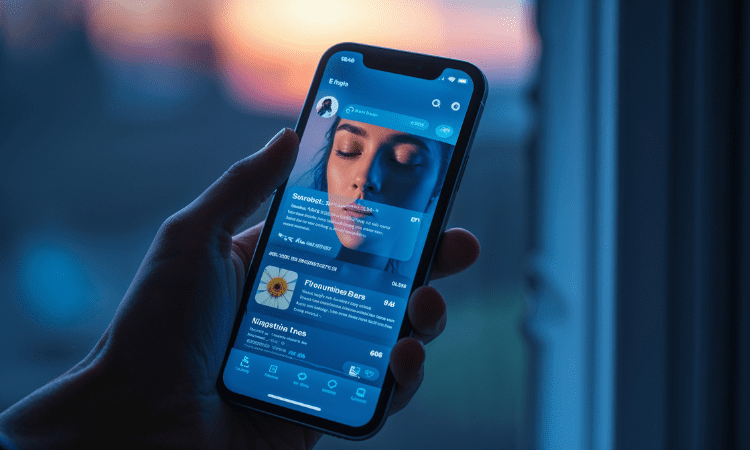
The Endless Scroll of Enlightenment
The digital age has turned spiritual wisdom into a marketplace. Every post promises instant peace, every video claims secret truth. While access to guidance is a gift, the speed of consumption has changed the nature of seeking itself.
Overconsumption of spirituality content traps you in the illusion of growth. You feel active, but you’re not embodying — just scrolling. The mind gathers words faster than the soul can digest them. What was once practice becomes performance: a race to collect truths rather than live them.
Spiritual information without silence becomes noise. Real transformation requires space between teachings — the quiet where wisdom takes root. Without that space, knowledge piles up like dust on the mind.

Overconsumption of Spirituality Content-The Burnout Behind the Inspiration
At first, Overconsumption of Spirituality Content feels uplifting. You feel understood, validated, inspired. But soon, you start to chase that high. You move from teacher to teacher, podcast to podcast, video to video, hoping for another spark of revelation.
Over time, this pattern produces exhaustion. Your nervous system tires from constant input. The same energy that once nurtured you now overwhelms you. The more you seek clarity, the foggier you feel.
This is spiritual content burnout — a paradox where the search for awakening becomes the source of fatigue. The constant influx of wisdom leaves no room for integration. You begin to confuse knowing with being, and the gap between them widens into disconnection.
The soul doesn’t need more data. It needs digestion.

Information Without Embodiment
Learning is sacred when it leads to transformation. But when you only collect insights, spirituality becomes intellectual rather than experiential.
Overconsumption of spirituality content builds a mental archive of truths without lived understanding. You can quote teachers but can’t feel peace. You can describe stillness but rarely experience it. This cognitive overload blocks intuition, dulls wonder, and creates subtle self-doubt — “Why do I know so much but feel so little?”
Embodiment begins when knowledge slows down enough to sink into action. Reading about stillness is not the same as sitting in it. Watching videos on surrender is not the same as letting go.
Each truth must be lived to be real. The mind can study enlightenment, but only the heart can know it.
How Spiritual Overload Affects the Nervous System
The human brain is not designed for endless consumption. Each new teaching activates the same circuits as novelty and reward. Dopamine spikes, attention fragments, and calm declines.
When you continuously feed on spiritual content — affirmations, reels, soundbites — your nervous system enters a loop of stimulation and fatigue. Instead of resting in awareness, you chase the next insight.
Eventually, this creates spiritual fatigue — a physical symptom of mental overactivity masked as devotion. You might feel restless, unfocused, or numb. Meditation becomes harder because silence feels foreign after constant input.
Real wisdom soothes the body. Information addiction excites it. The difference is felt, not thought.

The Subtle Ego of Endless Learning
A hidden ego often thrives under the mask of spiritual curiosity. It wants to be the one who knows, the one who is “always learning.” Yet true growth is not accumulation but release.
Overconsumption of spirituality content feeds the identity of the seeker who never arrives. The mind mistakes motion for depth. You feel productive, but the soul remains hungry.
This cycle keeps you looking outward — at teachers, courses, and posts — instead of inward. It is the spiritual equivalent of eating all day without ever digesting.
Freedom begins when you admit you’ve had enough. The ego resists this because it fears stillness more than ignorance. But in stillness, the truth you’ve been chasing finally catches up.

Recognizing the Symptoms of Spiritual Content Burnout
If you feel spiritually drained yet can’t stop consuming teachings, you may be in burnout. Signs include mental fog, lack of enthusiasm for practice, constant comparison to others’ journeys, and guilt for not being “spiritual enough.”
The mind becomes addicted to input but allergic to silence. You crave stimulation yet resist integration. Your inner life feels cluttered, your focus scattered.
Overconsumption of spirituality content burnout doesn’t mean you lack sincerity. It means sincerity has been drowned in noise. Awareness of the problem is already the beginning of healing.

The Cure: From Overconsumption of Spirituality Content to Integration
Healing begins with silence. Take a fast from spiritual content. No videos, no books, no quotes for a few days. Let your mind rest from external voices so your own can emerge.
At first, withdrawal feels strange. The mind searches for input. But soon, a quiet clarity appears. You begin to hear your intuition again. Truth stops being borrowed and starts being remembered.
Integration means living what you already know. Choose one principle — perhaps compassion, surrender, or patience — and apply it each day. Turn knowledge into practice, and practice into presence.
The moment you embody even a single teaching, the need to chase new ones dissolves.

Reclaiming Clarity and Inner Peace
When you stop feeding the mind with constant teachings, the wisdom you’ve already absorbed begins to surface naturally. You realize that nothing was missing — it was only buried under excess.
True peace is spacious. It requires room to breathe. Overconsumption of spirituality content fills that space with noise disguised as insight. When you let go of the flood, calm returns.
Peace comes not from collecting truths but from resting in the one truth that lives in you. Every teaching points back to that same center: presence.
You don’t need more content. You need more silence.

Overconsumption of Spirituality Content FAQ Section
What is spirituality content burnout?
It’s the mental and emotional fatigue caused by excessive consumption of spiritual teachings without integration.
How do I know if I’m overconsuming?
If you constantly seek new teachings but feel more confused or disconnected, you may be in burnout.
Should I stop learning altogether?
No. Take breaks, slow down, and let wisdom settle. Learning becomes transformation only through silence.
Why does too much inspiration make me tired?
Because constant input overstimulates the mind and prevents reflection. Balance activity with stillness.
What’s the first step to recover?
Pause consumption for a few days, then return with intention — focusing on practice, not quantity.

Overconsumption of Spirituality Content Conclusion
The age of information has given seekers access to the wisdom of every tradition. But without discernment, abundance becomes burden. The remedy is not rejection of learning but restoration of balance.
The next time you feel the urge to scroll for insight, pause. Close your eyes. Breathe once, deeply. Let the silence teach you.
The most powerful truth you’ll ever find is not written, spoken, or streamed — it’s remembered within your own awareness.
When you stop chasing enlightenment, you begin to live it.