
Performance Spirituality
In every age, seekers have turned to spirituality to find meaning, peace, and belonging. Yet in the modern era, the quest for enlightenment has quietly merged with the same performance culture that exhausts the rest of life. Social media, spiritual branding, and self-optimization have turned inner growth into a stage. The result is a subtle distortion known as performance spirituality — the urge to appear awakened rather than to be present.
True spirituality, by contrast, is simple and private. It does not need recognition or applause. It grows quietly through honesty, humility, and love. The conflict between performance and authenticity now defines the modern seeker’s dilemma. To understand it is to take the first step back toward genuine freedom.
This article explores how performance spirituality arises, why it leads to burnout, and how to rediscover the quiet strength of true living.
What Is Performance Spirituality?
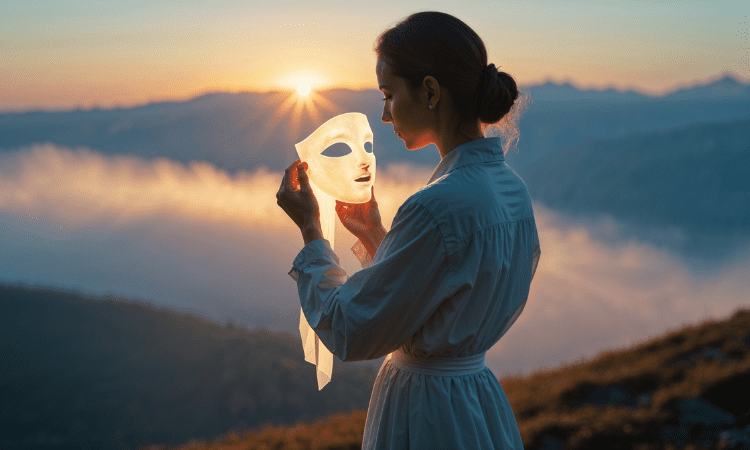
Performance spirituality is the use of spiritual identity as a form of validation. Instead of serving as a path to presence, spirituality becomes another mask — a way to signal purity, depth, or wisdom to others.
It often begins innocently. A person finds peace through meditation, a new teaching, or an awakening experience. They feel transformed and want to share it. But soon, subtle pressure appears: to maintain the image of always being centered, always wise, always calm. The spiritual life turns into a public performance.
Performance spirituality replaces sincerity with appearance. It measures growth through external markers — followers, likes, recognition, or constant “high-vibration” behavior. When the self becomes an exhibit, the sacred becomes fragile.
True spirituality is invisible. It is not something you wear; it is something you live. It does not announce itself because it no longer needs to.
How Performance Spirituality Leads to Burnout
Behind the polished calm of performance spirituality lies strain. Keeping up an image of enlightenment demands constant self-control and suppression of emotion. This creates tension — the opposite of liberation.
When someone tries to be “spiritual” all the time, they begin to reject natural human experiences like anger, sadness, or doubt. Yet these emotions are not obstacles to awakening; they are its raw materials. Denying them fragments the psyche and drains the body’s energy.
Performance spirituality also isolates. If every conversation must sound wise, if every post must inspire, authentic connection disappears. People stop relating to you; they relate to your image. The loneliness that follows can be profound.
Eventually, exhaustion sets in — spiritual burnout born not from too much faith but from too much pretense. The soul longs to rest from its own performance.

The Subtle Signs of Performance Spirituality
The symptoms of performance spirituality are quieter than physical fatigue but just as real. You may feel anxious when your practice doesn’t feel “deep enough.” You may compare your progress to others. You might hide moments of doubt or frustration because they seem “unspiritual.”
Over time, joy fades. Meditation feels like duty. Teaching feels hollow. Inspiration becomes effort. These are warning lights on the dashboard of the soul.
If you feel relief when you take a break from appearing spiritual, you are likely caught in performance mode. True living brings lightness, not strain.
The key to recovery is honesty: admitting that your identity has begun to replace your essence. Awareness itself dissolves the illusion. Once you see the performance, you can stop acting.
The Social Roots of Performance Spirituality
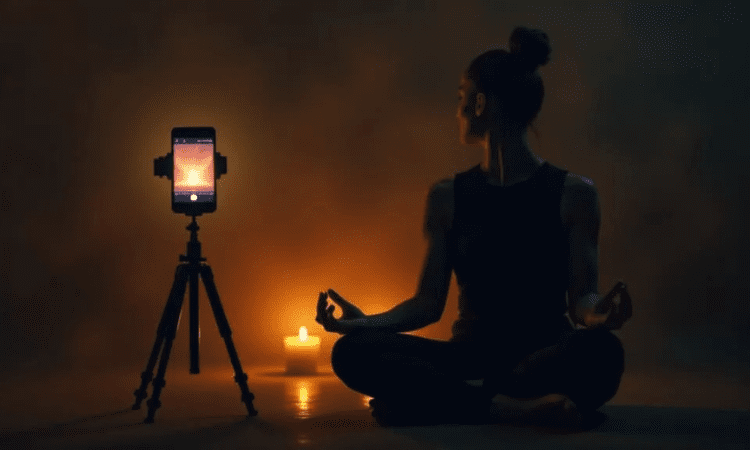
The digital era rewards visibility. Spirituality, once cultivated in quiet corners, now unfolds on glowing screens. Teachers livestream insights. Seekers share daily affirmations. Platforms measure resonance in numbers.
This environment unconsciously trains us to equate being seen with being real. The moment of presence becomes a photo opportunity. Performance spirituality thrives in this environment because it offers belonging through display.
But the truth is simple: consciousness does not need an audience. Inner growth cannot be quantified. No algorithm measures awakening.
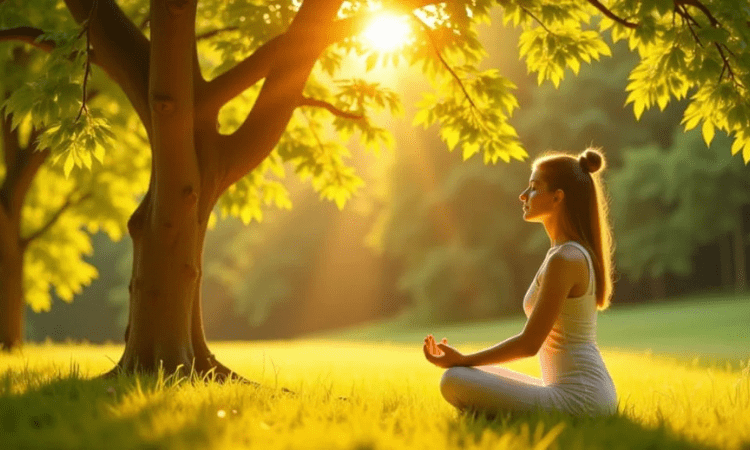
True living happens when no one is watching — when you are alone with your breath, tending to a small act of kindness, or forgiving yourself without witness. These moments never trend online, yet they carry more transformative power than any post.
Why True Living Feels Different
True living is the natural expression of a quiet mind. It asks for no stage and no script. You act not to impress but to express the reality of the present moment.
When you live truly, you stop comparing and start experiencing. Success loses urgency because you no longer perform for approval. Peace becomes available not at the end of effort but within the simplicity of being.
The body relaxes. The face softens. The nervous system shifts from vigilance to rest. This is not withdrawal from the world but full participation without attachment.
True living honors imperfection. It allows emotion to move through freely. It accepts that growth includes shadow and light. There is no persona to defend, only awareness to embody.
The Turning Point: Seeing Through the Mask
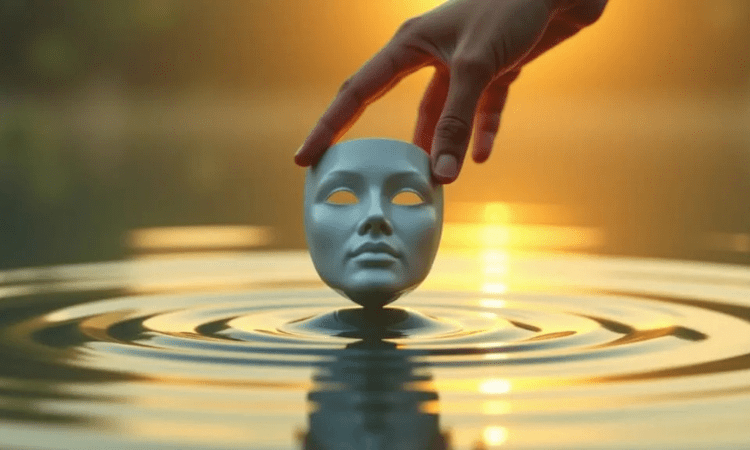
Every seeker eventually faces a moment when the performance collapses. It may come through burnout, loss, or quiet disillusionment. Suddenly the practiced smile feels heavy, the words sound hollow, and the rituals lose color.
This collapse is grace in disguise. It strips away the false and returns you to the raw truth of being. You realize that the essence of spirituality was never about showing light but about seeing through illusion.
In that moment, performance spirituality begins to dissolve. The self that performed can finally rest. You no longer need to look enlightened; you begin to live lightly.
Rediscovering True Living After Performance Fatigue
Healing begins with humility — the willingness to admit that you have been acting. There is no shame in it; the culture teaches performance everywhere. The courage lies in choosing honesty over image.
Start by pausing public expression for a while. Stop explaining your path to others. Sit in silence without posting, without sharing. Let your inner life belong only to you again.
Gradually, you’ll feel space return. Practices that once felt empty regain freshness. You might cry, sleep, or laugh unexpectedly. This is renewal — the nervous system releasing what image once held tight.
In true living, you rediscover presence not as performance but as participation. You belong to the world again, not as a teacher or seeker, but simply as yourself.
How to Recognize True Living in Action
When you live truly, your outer life simplifies. You speak less but mean more. You listen fully. You no longer rush to fix others; you simply meet them where they are.
Relationships deepen because you bring honesty instead of advice. Work becomes calmer because you measure success by integrity, not speed. Even ordinary routines — cooking, walking, cleaning — regain quiet sacredness.
There’s no longer a split between “spiritual” and “everyday.” Each moment becomes an opportunity to express the same awareness.
Performance spirituality divides life into sacred and mundane. True living unites them.

Integrating the Two: Lessons from the Fall of Performance
The end of performance does not mean rejection of discipline or practice. It means releasing attachment to identity. Meditation, prayer, and study remain beautiful — but now they are tools, not trophies.
When you meditate, you no longer ask, Am I doing it right? You simply notice. When you serve, you no longer think, Do I look kind? You simply care. When you teach, you no longer speak to impress but to express what helps.
This integration transforms spirituality into daily presence. Nothing is lost — not the devotion, not the inspiration — only the illusion of control.

The Freedom of True Living
Freedom does not arrive with applause; it arrives with exhale. It is the feeling of no longer performing for the world, for God, or for yourself. It is the discovery that you were already whole before you tried to prove it.
In true living, you stop measuring progress. The journey becomes circular — each day a return to the same still center. There is nothing to attain because the essence of life was never absent.
This freedom feels quiet, grounded, and real. It does not glitter, but it endures.

Living Authentically in a Public World
Even after awakening authenticity, you still live in a visible world. You may continue to share insights or teach others. The difference lies in intention. You now speak from overflow, not from need.
If you share, do it as an offering, not as proof. If you teach, do it as service, not performance. The energy of sincerity transmits far beyond words.
The digital stage will always exist, but you no longer need to perform upon it. You become transparent — not invisible, but authentic. The self that once needed attention now becomes a conduit for awareness itself.
Returning to Simplicity
The cure for performance spirituality is simplicity. Return to small acts done with full attention: a slow meal, a mindful breath, a walk without headphones.
Simplicity dismantles the ego’s stage. It reminds you that the sacred is not distant. It lives in texture, scent, movement, and silence.
Every moment you inhabit fully weakens the need to appear spiritual. Presence replaces performance. The light that once sought recognition now simply shines.

FAQ Section
What is performance spirituality?
It’s when spiritual practice becomes a form of image-building or self-validation rather than a sincere path of awareness.
How does performance spirituality cause burnout?
Maintaining a false image of enlightenment suppresses natural emotions and creates chronic inner tension.
What is true living?
True living is authenticity — the state of acting from presence instead of appearance, embracing imperfection as part of wholeness.
How can I move from performance to authenticity?
By resting from display, practicing silence, and reconnecting with the simple, unshared moments of daily life.
Why is this shift important?
Because real spirituality begins when you no longer need to appear spiritual. Only then does peace become effortless.

Performance Spirituality Conclusion
The difference between performance and true living is sincerity. Performance seeks witnesses; true living seeks wholeness. The first exhausts, the second restores.
In a world obsessed with showing, you return power to being. You stop chasing enlightenment as a display and start embodying it as an ordinary grace.
Let the masks fall. Let exhaustion soften. The spiritual path is not a spectacle — it is a homecoming. When you no longer need to be seen as light, you finally become it.