Somatic Tools for Spiritual Burnout
Spiritual burnout doesn’t start in the soul; it starts in the body.
When devotion becomes depletion, the first signals are physical—tightness in the chest, shallow breath, restless sleep. The mind calls it fatigue, but the body has been whispering for months: slow down, ground, breathe.
Somatic tools for spiritual burnout bring healing back where it began—into the nervous system. “Somatic” simply means of the body. These tools use movement, breath, posture, and awareness to reset a system that has carried too much light without rest.
Spiritual exhaustion ends not through higher practice but through embodied safety. Calm returns when the body finally believes it is safe to feel again.
The Body’s Hidden Role in Spiritual Fatigue
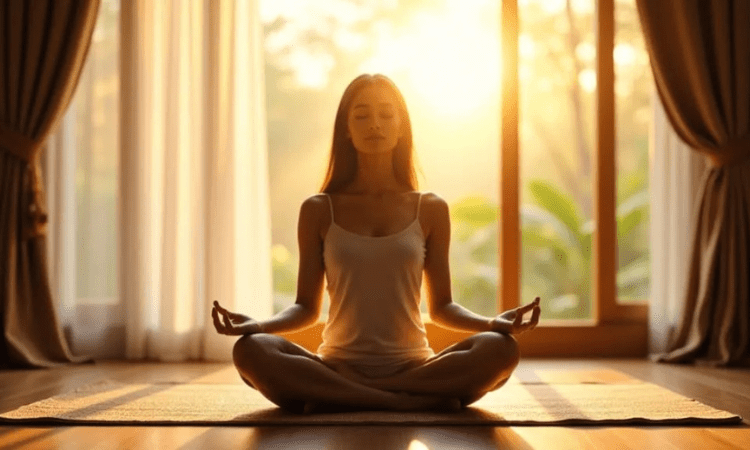
Many seekers treat the body as a vessel to transcend. They meditate to escape tension, not to listen to it. But the body is the storage vault of every unprocessed emotion from our spiritual striving—the unshed tears of perfectionism, the clenched jaw of over-discipline, the rigid spine of spiritual pride.
Ignoring these signals causes disconnection between awareness and biology. The heart might pray for peace while the muscles brace for battle. Over time this mismatch breeds spiritual burnout.
Somatic work reverses this split. It teaches the nervous system that awakening doesn’t mean abandonment. You don’t leave the body to find God; you find God by returning to the body.

The Science of Somatic Calm
Modern neuroscience calls it regulation. Ancient mystics called it balance. Both describe the same shift—from sympathetic overdrive (fight or flight) to parasympathetic ease (rest and digest).
Breath lengthens. Heart rate slows. The immune system re-opens. Once the body stops defending, spiritual clarity follows naturally.
Each somatic tool for spiritual burnout is designed to trigger this physiological surrender. No theology required—just consistent gentleness.
Tool 1 — Grounding Through Sensation
Start by returning awareness to what is beneath you.
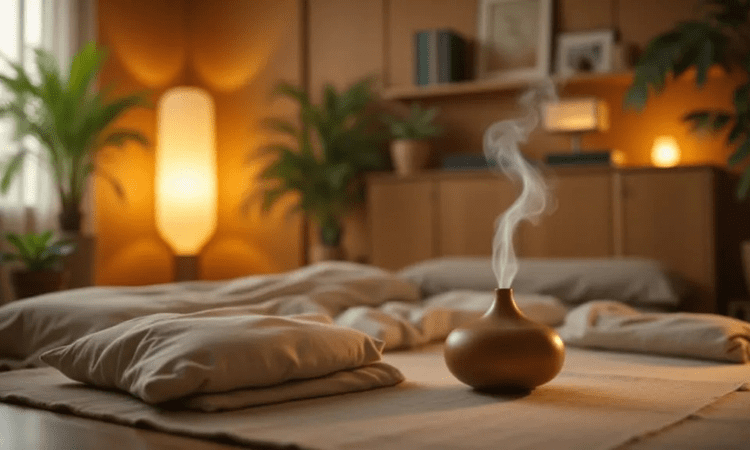
Sit or stand with both feet flat, feeling the contact between sole and earth. Notice pressure, temperature, weight. Describe it silently: cool floor, solid ground, safe contact.
As the body maps its surroundings, fear signals ease. Spiritual burnout fades because the system realizes it is not floating in chaos; it is supported.
Do this throughout the day—before meditation, after prayer, during work. Grounding re-educates consciousness that heaven and earth were never separate.

Tool 2 — Breath Repatterning
Exhaustion changes breathing. Burned-out seekers often inhale sharply and exhale weakly, living in partial breath. Somatic restoration reverses the ratio.
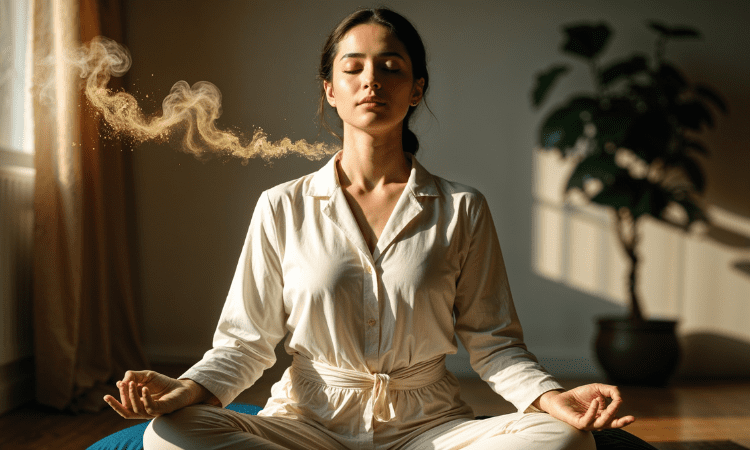
Try “extended exhale breathing.” Inhale through the nose for a count of 4. Exhale through the mouth for 6 or 7. Pause briefly before the next inhale.
Within minutes, the vagus nerve activates, slowing heartbeat and thought. This single exercise anchors all somatic tools for spiritual burnout because calm breath equals calm spirit.

Tool 3 — Pendulation: The Art of Gentle Swinging
Pendulation means moving attention back and forth between tension and safety.
Notice one area of discomfort—a tight shoulder, heavy heart. Sense it for a few seconds, then shift focus to a neutral zone, perhaps your hands or feet. Feel the difference.
Back-and-forth awareness teaches the body that it can touch pain without drowning in it. Over time, stored charge discharges naturally.
Spiritual fatigue often comes from trying to hold constant light; pendulation teaches rhythmic release.
Tool 4 — Orienting: Seeing What’s Really Here
When burnout makes perception narrow, orienting widens it again.
Look slowly around the room. Let your eyes land on colors, shapes, textures. Whisper descriptions: green curtain, brown wood, moving light.
The brain receives proof that the present moment is safe. Thought slows. The overwhelming “inner storm” dissolves into observable space.
Among somatic tools for spiritual burnout, orienting is the fastest to apply—simple, discreet, and instantly regulating.

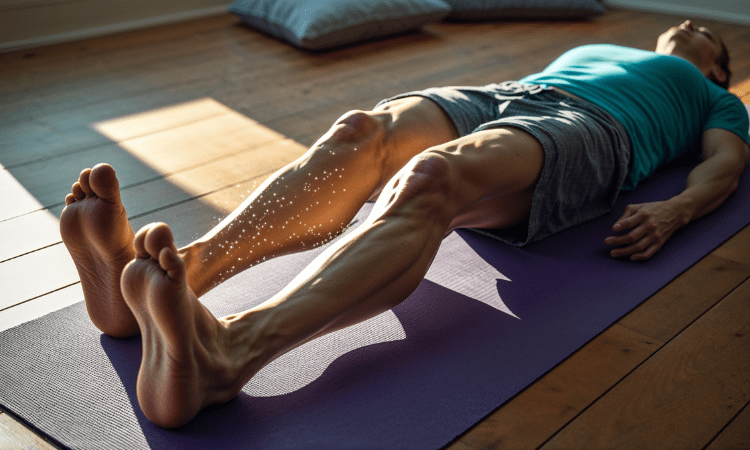
Tool 5 — Micro-Movement and Tremor Release
The body naturally shakes to release tension; humans learned to suppress it. Allowing small movements resets deep muscular armor.
Lie on your back, bend knees, and let legs tremble lightly. Keep breathing until the shaking subsides. Afterwards, feel warmth spreading through limbs—a sign that frozen energy has thawed.
These micro-movements are biological prayers; the body worships through motion when words fail.
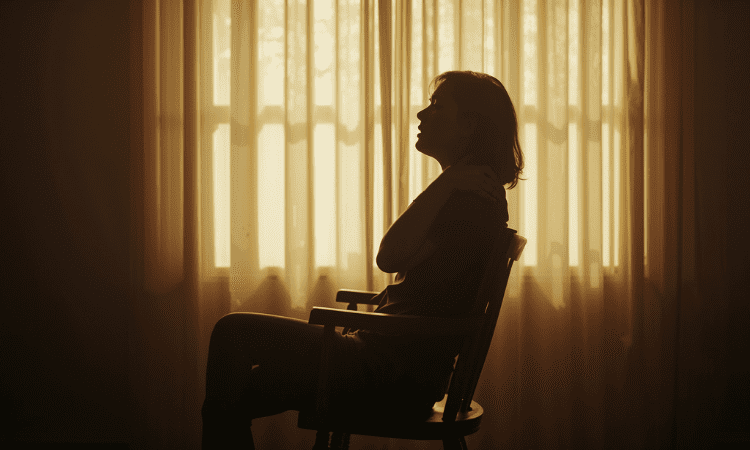
Why Somatic Tools Work When Prayer Doesn’t
During burnout, prayer or meditation can deepen fatigue because they still engage effort. Somatic work removes hierarchy between sacred and physical—it gives the mind a rest.
The body carries the wisdom meditation tries to reach. When it softens, insight flows spontaneously.
Each somatic tool for spiritual burnout reintroduces surrender as physiology, not philosophy. You stop chasing peace because your body already knows its rhythm.
Signs of Somatic Integration
After consistent practice, small but tangible changes appear. You wake refreshed. Breathing slows naturally. Emotional triggers lose voltage. Spiritual practices regain sweetness.
These signs indicate that mind and body have re-entered dialogue. Calm no longer depends on control but on rhythm.
Integration doesn’t happen once; it becomes lifestyle. Every grounded breath keeps burnout from returning.

Common Mistakes During Recovery
Over-doing healing. Turning somatic work into another achievement recreates tension.
Ignoring physical fatigue. Muscular tiredness often signals progress, not failure—rest.
Expecting instant bliss. The body speaks in weeks, not seconds.
Remember: gentleness heals faster than intensity. Every day of consistency rewires safety deeper.
Somatic Tools and Spiritual Traditions
Almost every tradition hides somatic wisdom. In Christianity, kneeling grounds humility. In Buddhism, walking meditation harmonizes body and mind. In Sufism, turning releases ecstatic energy.
What modern seekers call somatic tools for spiritual burnout are ancient gestures of remembrance. The body was always sacred technology.
When we reclaim movement, we reclaim prayer as biology.

Somatic Awareness in Daily Life
Integration means using the body as compass. When stress rises, instead of analyzing, ask: Where do I feel it? Tight chest? Clenched stomach?
Then apply one small tool—breath, grounding, or orientation—until ease returns.
Soon regulation becomes reflex. The nervous system learns to self-correct before exhaustion accumulates.
This is sustainable spirituality—no drama, only maintenance of inner climate.

Touch and Safe Connection
Human contact regulates more powerfully than solitude. A trusted hug, hand on shoulder, or mindful self-touch (palms over heart) signals safety to the body faster than any mantra.
Burnout often coincides with isolation. Reintroducing safe connection rewires belonging at the cellular level.
Touch transforms somatic tools for spiritual burnout from self-practice into shared restoration.

Sound and Voice as Somatic Tools
Sound vibrations travel through tissue. Humming, chanting, or sighing stimulates the vagus nerve, loosening chest tension.
You can test it: hum softly for thirty seconds, then notice warmth around the throat and calm spreading downward. The body loves resonance; it remembers harmony through sound.
Voice is movement made audible—a somatic prayer vibrating through flesh.

Creative Expression as Regulation
Art, dance, or journaling externalize inner charge safely. Paint without goal, write nonsense, move to silence. The purpose is not creation but circulation.
When emotion finds outlet, energy returns. Many spiritual burnouts heal faster through crayons than scripture.
Creativity is nervous-system hygiene disguised as joy.

Restoring Sleep Through Somatic Rituals
At night, burnout survivors often replay spiritual failures. Instead, guide the body into physiological trust.
Before bed, stretch slowly, exhale longer than inhale, place one hand on chest and one on belly. Whisper reassurance: You are safe to rest.
Within weeks, sleep deepens. The body accepts night as healing temple, not trial.
Among all somatic tools for spiritual burnout, restorative sleep is the most underrated sacrament.

Long-Term Maintenance
Somatic calm is cumulative. Ten minutes daily outweighs weekend retreats. Keep tools simple and embodied—ground, breathe, move, feel, rest.
Over months, nervous-system resilience becomes your natural state. Spiritual practice becomes lighter because the body no longer resists it.
Healing ends where harmony begins: inside physical presence.
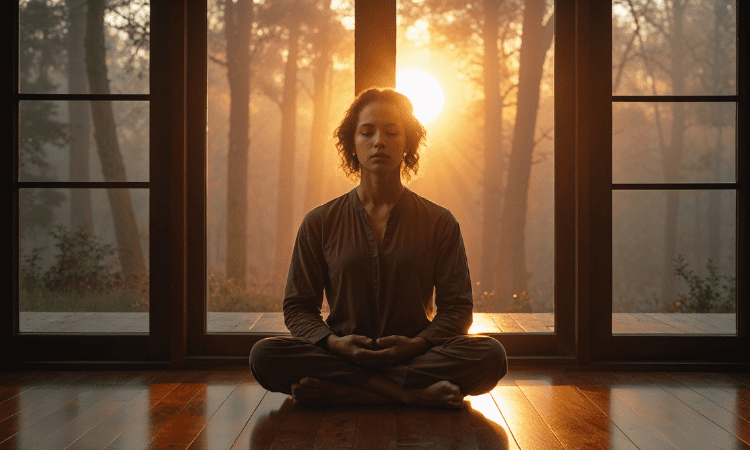
FAQ Somatic Tools for Spiritual Burnout
What are somatic tools for spiritual burnout?
Body-centered techniques such as grounding, breathwork, and movement that calm the nervous system and renew energy.
Why does spirituality cause physical fatigue?
Because striving for transcendence often ignores bodily needs, leaving the nervous system overstimulated.
How long until results appear?
Noticeable relief can occur in days; deep regulation stabilizes over weeks of daily practice.
Do I need special training?
No. Simplicity and consistency matter more than complexity.
Can somatic tools replace meditation?
They complement it—helping meditation feel grounded instead of draining.

Conclusion Somatic Tools for Spiritual Burnout
Spiritual burnout dissolves not through escape but embodiment.
The body is the bridge home—honest, patient, divine.
These proven somatic tools for spiritual burnout teach you that peace is not transcendence; it is inhabiting yourself completely. When the body feels safe, the soul shines again.