
The Difference Between Stress and Spiritual Burnout
Stress is everywhere. It comes from work deadlines, family responsibilities, or financial worries. Most people know its signs—tension in the body, racing thoughts, restless sleep. But spiritual burnout is different.
It touches a deeper place. It leaves not only the body and mind weary but also the soul.
This article explores the difference between stress and spiritual burnout.
Understanding where one ends and the other begins is essential for healing. When you know what you are facing, you can choose the right path to renewal.

Stress: The Body’s Alarm System
Stress is the body’s natural response to pressure. It releases energy, sharpens focus, and prepares you to act.
Short bursts of stress can even be helpful. They push you to finish a task or prepare for a challenge.
The problem begins when stress becomes constant. Chronic stress keeps the body in a state of tension.
Muscles tighten, sleep weakens, and the mind cannot slow down. Stress drains physical energy but does not always touch your inner sense of meaning.
You may be tired, but you still feel connected to life.

Spiritual Burnout: A Deeper Collapse
Spiritual burnout is more than stress. It is the collapse of the soul’s energy.
A person in burnout feels empty even when nothing urgent is pressing them. Practices that once gave strength now feel lifeless.
Prayer becomes silence without comfort. Meditation feels like sitting in a void. Rituals lose their spark.
Unlike stress, which comes from external pressure, spiritual burnout arises from inner depletion. It is not only the body that is weary but also the spirit.
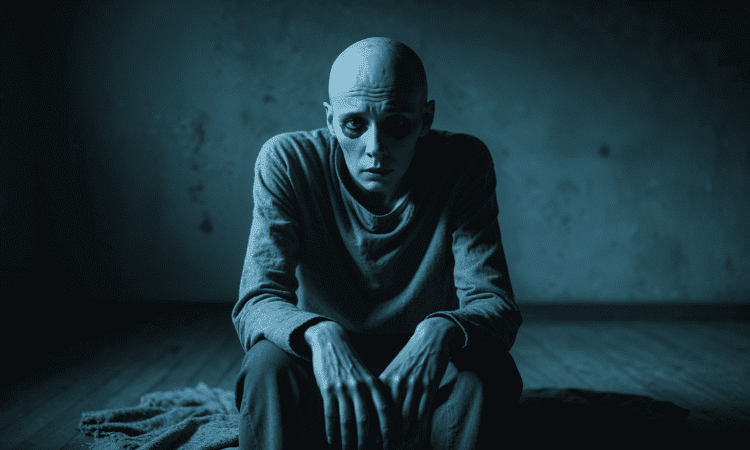
How Stress Turns into Spiritual Burnout
Stress and burnout are connected. Long periods of unrelieved stress can open the door to spiritual fatigue.
For example, a leader who constantly gives to others under pressure may start by feeling stressed.
Over time, the exhaustion seeps deeper, leaving them unable to feel joy in their own faith or practices.
The bridge between stress and burnout is often neglect. When people ignore their emotional and spiritual needs in the name of duty, they cross from physical strain into soul weariness.
The warning signs are there—loss of joy, disconnection, and a sense of emptiness.
Recognizing the Signs of Stress
Stress shows up in the body first. Muscles feel tense. Breathing becomes shallow.
The mind jumps from one thought to another. People under stress often feel restless, irritable, and pressured.
Even though stress is uncomfortable, there is usually still a sense of direction. The stressed person knows why they are tired.
They can point to deadlines, conflicts, or external demands. Stress still feels connected to something specific.
Recognizing the Signs of Spiritual Burnout
Burnout looks different. It is harder to name because it is not tied to one cause. Instead of tension, there is numbness.
Instead of focus, there is emptiness. A person in burnout does not simply say, “I am busy.” They say, “I feel nothing.”
Burnout often comes with cynicism, doubt, and loss of meaning. Even when life looks fine on the surface, the inner flame is dim.
That is why many describe it as a “dark night of the soul.”
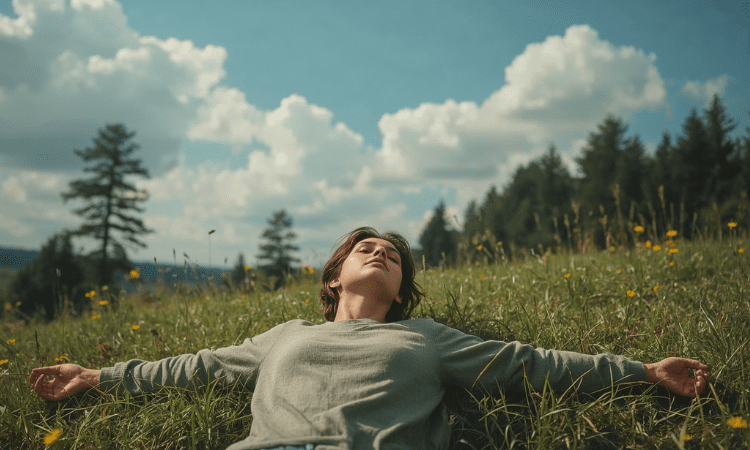
Healing Stress
Healing stress begins with physical care. The body needs rest, exercise, and healthy rhythms. Time away from work or demands allows the nervous system to reset.
Relaxation practices such as deep breathing, stretching, or time in nature calm the body’s alarm.
Stress management focuses on balance. It teaches the body to shift from constant tension to cycles of activity and rest.
Once balance returns, stress no longer overwhelms.
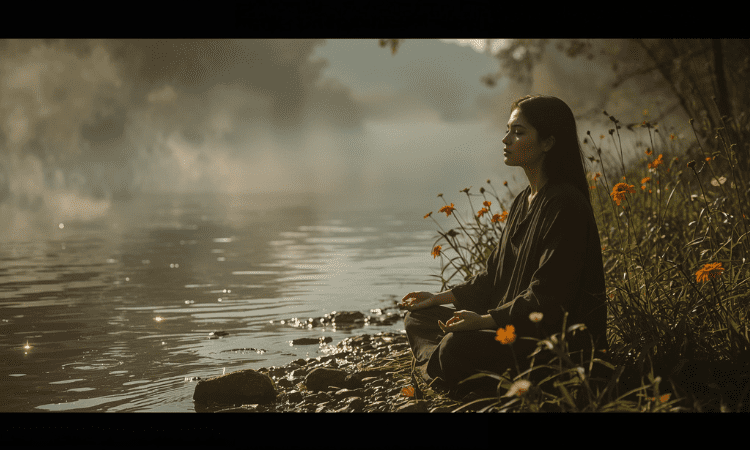
Healing Spiritual Burnout
Burnout requires something deeper. Physical rest helps, but it is not enough. Renewal comes when the soul reconnects with authenticity.
This may mean stepping away from performance, dropping unnecessary practices, and returning to simple presence.
For some, healing burnout means rediscovering silence without pressure to achieve anything. For others, it comes through community support or honest conversations about faith and doubt.
Burnout heals when people allow themselves to be human again, not machines of spiritual performance.

Living with Awareness
The difference between Stress and spiritual burnout matters because the remedies differ. If you confuse stress with burnout, you may treat the symptoms without reaching the cause.
Sleep and exercise help stress but may not restore a soul in burnout.
Similarly, changing spiritual practices without caring for the body may miss the physical roots of stress.
Awareness means paying attention to both levels. Care for the body when stress is high.
Care for the soul when burnout is present. Renewal often requires both.
From Strain to Renewal
Stress and burnout are not enemies. They are signals. Stress signals that the body is overextended.
Burnout signals that the soul needs rest and reconnection. Both invite change, not defeat.
By learning the difference, you can respond wisely. You can pause before stress becomes burnout. You can seek renewal before emptiness becomes despair.
Most of all, you can remember that both Stress and spiritual burnout are part of being human. They are not the end of the journey but markers along the way.

FAQ Section Stress and spiritual burnout
Is stress the same as spiritual burnout?
No. Stress is mainly physical and mental tension. Spiritual burnout is deeper and affects meaning, faith, and inner connection.
How do I know if I’m stressed or burned out?
Stress feels like tension with a clear cause. Burnout feels like emptiness, cynicism, and loss of joy, even without obvious pressures.
Can stress lead to burnout?
Yes. Long-term stress without balance can eventually deplete the spirit and lead to burnout.
How do you heal from stress?
Healing stress requires physical rest, exercise, and relaxation practices that reset the body’s nervous system.
How do you heal from burnout?
Burnout heals through honesty, simplicity, and reconnection with your true self. It often involves pausing, seeking support, and reshaping practices.

Conclusion The Difference Between Stress and Spiritual Burnout
Stress and spiritual burnout share some similarities, but they are not the same. Stress is the tension of the body and mind under pressure.
Burnout is the deeper collapse of the spirit, where practices lose meaning and emptiness takes over.
Healing stress requires physical balance. Healing burnout requires inner renewal. Both require awareness and compassion.
When you understand the difference, you no longer fear either one. You see them as signals guiding you back to balance.
Stress reminds you to rest the body. Burnout reminds you to rest the soul. Together, they can lead you home to your true self.