
Dark Night of the Soul
A dark night of the soul rarely begins with a dramatic event. More often, it starts quietly. Something feels wrong, yet nothing external clearly explains it. Life continues as usual, but internally, a growing sense of disconnection begins to emerge.
Many people describe this period as emotional exhaustion mixed with deep questioning. Old goals lose meaning. Familiar routines feel empty. Activities that once created excitement no longer satisfy in the same way.
The dark night of the soul is not simply stress. It is a deeper internal transition that affects identity, perception, and emotional stability. Although the experience can feel isolating, it has appeared throughout history in spiritual writings, psychological transformation, and personal recovery journeys.
At first, the process often feels confusing. Because old patterns begin to dissolve, certainty disappears. The nervous system may also react strongly to this instability. Anxiety, emotional fatigue, and overstimulation frequently accompany the experience.
However, the dark night of the soul is not only about collapse. It is also about reconstruction. As old structures weaken, a more authentic way of living gradually begins to emerge.
The following seven stages describe how this silent transformation often unfolds.

What Is the Dark Night of the Soul?
The phrase “dark night of the soul” originally emerged from spiritual literature describing periods of deep inner struggle and transformation. Over time, the term expanded beyond religion and became associated with profound psychological and emotional transition.
A dark night of the soul often involves the dismantling of identity structures. Beliefs, goals, and assumptions that once provided stability no longer feel true. As a result, confusion increases.
This process affects more than thoughts. The body also responds. Emotional overload, nervous system exhaustion, and heightened sensitivity frequently appear during this period.
Because of these symptoms, many people mistake the experience for ordinary stress. However, the dark night of the soul reaches deeper. It challenges the very framework through which life has been understood.
At the same time, it is important to remain grounded. Emotional suffering should never be romanticized. In some cases, professional support may be necessary, especially when symptoms become overwhelming.

Why the Dark Night Often Begins Unexpectedly
Transformation rarely begins when life feels comfortable.
A dark night of the soul often starts after burnout, emotional loss, major change, or prolonged inner conflict. Sometimes the trigger appears external. Other times, it develops gradually without a single defining moment.
Many individuals reach a point where old ways of living no longer feel sustainable. External success may continue, yet internally something feels disconnected.
In addition, constant stimulation and emotional pressure can intensify this process. When the nervous system remains overloaded for long periods, deeper emotional patterns begin surfacing. Eventually, ignoring them becomes impossible.
This is why the dark night of the soul frequently appears during periods of exhaustion or transition. The collapse of external certainty forces deeper reflection.

The 7 Silent Transformation Stages
1. The Growing Sense That Something Is Wrong
The first stage usually appears subtly.
You continue living normally, yet an underlying discomfort grows. Activities that once felt meaningful lose emotional impact. Conversations may feel empty. Motivation weakens without clear reason.
At first, many people try to ignore these feelings. They distract themselves with work, entertainment, or constant activity. However, the internal tension continues quietly beneath the surface.
This stage often creates confusion because outward life may still appear stable. Internally, though, something fundamental is beginning to shift.

2. Emotional Overload and Inner Exhaustion
As the process deepens, emotional intensity increases.
Anxiety, sadness, irritability, and exhaustion may appear together. Emotional reactions become stronger. Rest no longer feels fully restorative.
At the same time, the nervous system often becomes strained, and in many cases this develops into nervous system burnout, where recovery becomes increasingly difficult.. In many cases, this resembles nervous system burnout, where recovery becomes increasingly difficult despite attempts to rest.
Because the body remains activated, emotional resilience decreases. Small stressors feel overwhelming. Sleep may become inconsistent.
This stage can feel frightening because familiar coping mechanisms stop working.

3. Withdrawal from Noise and Distraction
During the dark night of the soul, overstimulation often becomes unbearable.
Crowds, social media, and constant noise feel draining. Many individuals begin withdrawing from environments that once felt normal.
This withdrawal is not always depression or isolation. Often, it reflects a growing need for quiet and reflection. The nervous system seeks relief from continuous input.
Nature, silence, and solitude may suddenly feel more appealing than stimulation.
At this stage, many people begin recognizing how much external noise previously distracted them from their inner state.

4. Identity Begins to Collapse
This stage marks one of the most difficult parts of the process.
The roles and identities that once defined life begin losing stability. Career ambitions, relationships, beliefs, and personal goals may suddenly feel uncertain.
Questions emerge constantly. Who am I without these roles? What actually matters? Why does my old life no longer fit?
Because identity structures weaken, fear increases. Human beings naturally seek certainty. When certainty disappears, emotional instability often follows.
However, this collapse creates space for deeper authenticity. Without the breakdown of outdated identity patterns, transformation cannot fully occur.

5. Silence Becomes Unavoidable
Eventually, distraction loses its effectiveness.
Stillness becomes unavoidable. Thoughts slow down enough for deeper emotions and truths to surface. This stage often feels uncomfortable because unresolved patterns emerge clearly.
At the same time, the nervous system may still remain overstimulated. Therefore, grounding becomes essential, especially when learning how to calm your nervous system during periods of emotional overload. Learning how to calm your nervous system helps create stability during this phase.
Silence, however, also brings clarity. Without constant distraction, hidden emotional patterns become visible.
Although difficult, this stage represents a turning point in the dark night of the soul.
6. A New Awareness Slowly Emerges
After prolonged uncertainty, subtle changes begin appearing.
Clarity returns gradually rather than dramatically. Emotional reactions soften. External validation becomes less important.
At this stage, many individuals begin noticing spiritual awakening symptoms such as heightened awareness, emotional sensitivity, and deeper reflection.
Life may still feel uncertain, yet the relationship to uncertainty changes. Instead of resisting every unknown, acceptance begins to grow.
This stage does not create constant happiness. Rather, it creates greater honesty and authenticity.
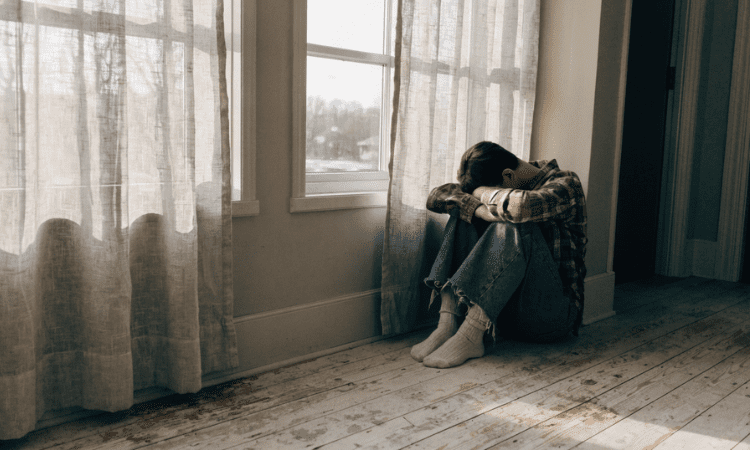
7. Integration and Quiet Rebuilding
The final stage involves rebuilding life from a more grounded foundation.
Relationships become more intentional. Priorities simplify. Constant striving loses its appeal.
Instead of chasing external identity, attention shifts toward internal stability. Simplicity often becomes more valuable than intensity.
Importantly, integration takes time. The dark night of the soul does not end suddenly. Gradual rebuilding continues long after the most intense phases pass.
Over time, however, emotional resilience strengthens. Life reorganizes itself naturally around deeper clarity.
Dark Night of the Soul vs Depression
The dark night of the soul and depression share similarities. Both may involve exhaustion, emotional heaviness, withdrawal, and loss of motivation.
However, they are not identical experiences.
Depression often creates persistent hopelessness and inability to experience meaning. A dark night of the soul, while painful, usually includes an underlying movement toward transformation and questioning.
Still, the distinction is not always clear. Emotional suffering should always be taken seriously. Support from mental health professionals may be necessary when symptoms become severe or prolonged.
Remaining grounded is essential throughout the process.

What Helps During the Dark Night of the Soul
Recovery and stability depend on reducing overload rather than forcing transformation.
First, nervous system regulation becomes extremely important. Gentle routines, consistent sleep, and reduced stimulation help stabilize the body.
Second, nature and solitude provide relief from constant input. Quiet environments allow the system to recover gradually.
Third, overstimulation should be reduced intentionally. Digital overload and emotional intensity often worsen symptoms because an overstimulated nervous system struggles to process deep emotional change effectively. An overstimulated nervous system struggles to process deep emotional change effectively.
Finally, avoid turning transformation into performance. Constantly searching for enlightenment or dramatic experiences creates additional pressure.
The dark night of the soul unfolds naturally when space exists for reflection and recovery.
Why the Experience Changes People Permanently
Profound transformation alters perception permanently.
After moving through a dark night of the soul, many people no longer relate to life in the same way. External validation loses importance. Simplicity becomes more meaningful.
In addition, emotional awareness deepens. Relationships become more authentic because identity depends less on performance.
This change rarely appears dramatic from the outside. Internally, however, the shift is significant.
The experience restructures priorities. It replaces intensity with clarity and constant striving with greater presence.

Dark Night of the Soul Conclusion
A dark night of the soul is one of the most challenging forms of inner transformation. It dismantles familiar identities, disrupts emotional stability, and forces deeper reflection.
At first, the process feels isolating and confusing. However, beneath the discomfort, a gradual reconstruction begins.
The experience is not about becoming someone new. Instead, it often involves removing patterns that no longer align with who you truly are.
With patience, grounding, and nervous system support, the dark night of the soul slowly transforms from collapse into clarity.
❓ FAQ Section
What is the dark night of the soul?
The dark night of the soul is a deep period of emotional, psychological, and spiritual transformation often marked by confusion, exhaustion, and identity shifts.
What are the symptoms of the dark night of the soul?
Common symptoms include emotional exhaustion, loss of meaning, withdrawal from stimulation, identity questioning, and increased emotional sensitivity.
Is the dark night of the soul the same as depression?
No. Although they can overlap, the dark night of the soul usually involves an underlying process of transformation and questioning rather than only hopelessness.
How long does the dark night of the soul last?
The experience varies widely. Some people move through it over months, while others experience gradual transformation over several years.
What helps during the dark night of the soul?
Grounding practices, nervous system regulation, quiet environments, supportive routines, and reducing overstimulation often help stabilize the process.